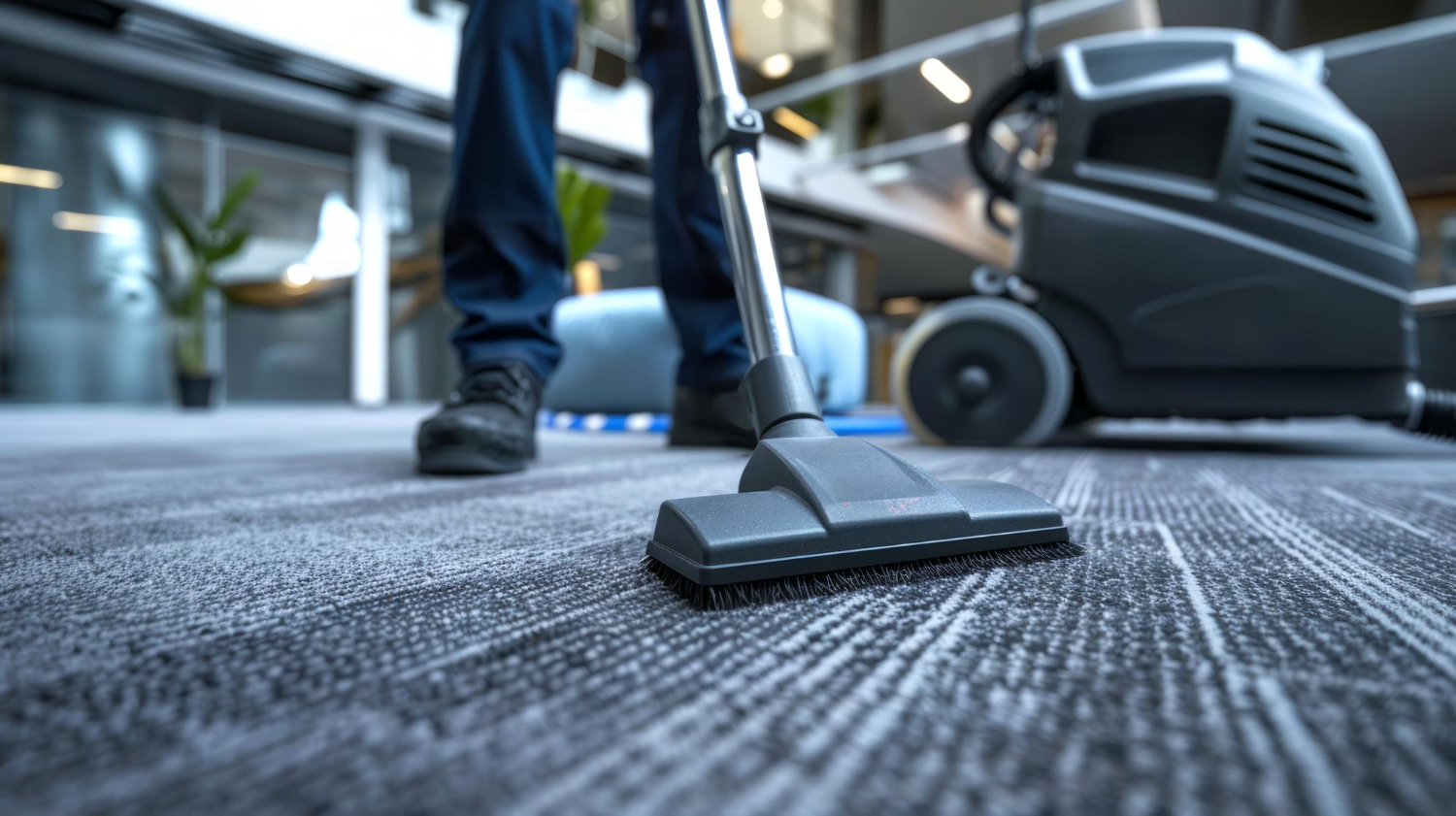
Commercial deep cleaning in an aged care isolation room is part of infection prevention, resident safety and continuity of care. It is a planned, risk-based activity that goes beyond daily cleaning by addressing accumulated soil, high-touch points, fixtures and approved room surfaces after a transfer, discharge or infection-control trigger. In infection-control terms, this is often called a terminal clean.
At White Spot Group, we work to the facility’s approved scope, SWMS and site procedures. Clinical leads determine the isolation precautions and room-release requirements, while our cleaning teams carry out the defined cleaning work under those directions.
How Does Commercial Deep Cleaning Reduce Isolation Room Risk?
Isolation rooms need a controlled approach because routine cleaning may not address every surface, fitting or area affected during a resident’s stay. A commercial deep cleaning program helps facilities reset the room according to their infection prevention and control plan before it returns to service.
Our work should align with the strengthened Aged Care Quality Standards, in effect since 1 November 2025, including Outcome 4.2 on infection prevention and control and the Australian Guidelines for the Prevention and Control of Infection in Healthcare. Cleaning staff do not make clinical decisions about isolation status, resident movement or release of the room.
Isolation-room readiness should be reviewed at intervals set by the facility’s infection prevention and control plan, following changes to outbreak risk, room use or approved products. This planning supports preparedness, but it does not replace outbreak procedures or clinical direction when an incident occurs.
What Must Be Scoped Before An Isolation Room Is Cleaned?
A proper deep clean begins with a documented room assessment, not a generic checklist. Before entering the room, we confirm the isolation type, room status, approved access route, PPE requirements, chemical controls and the person authorised to release the room for cleaning.
The scope should also confirm resident transfer arrangements and identify surfaces that may react poorly to particular products. This avoids cleaning methods that could damage finishes, fittings or equipment.
A clear isolation-room scope commonly includes:
- Bed frames, bed controls, call bells and overbed tables
- Chairs, handrails, door hardware, switches and window fittings
- Ensuite taps, toilet flush plates, grab rails and other fixtures
- Mobility-aid handles and approved shared equipment
- Visible damage, heavy soil, odours, porous materials and inaccessible areas
Clinical devices and reusable medical equipment remain under the facility’s clinical governance and reprocessing procedures. Where bodily-fluid contamination, damaged finishes or an unresolved odour issue is present, we record the condition, note exclusions and escalate for specialist or clinical advice before work proceeds.
How Is Commercial Deep Cleaning Sequenced In Isolation Rooms?
The sequence must keep clean and contaminated activities separate while following the facility’s infection-control directions. Where possible, we prepare equipment outside the room, confirm the entry and exit process, and bring in only dedicated or single-use materials approved for that task.
Visible soil must be removed before a disinfectant is applied. Products need to be compatible with the surface, mixed at the manufacturer’s stated dilution and left for the required contact time.
A typical order of work may include:
- Higher surfaces before lower surfaces
- Lower-contamination areas before higher-contamination areas
- High-touch points before final floor work
- The ensuite and exit route as the final areas
- Waste removal under the approved site process
Product efficacy claims should be checked against the product label and, where relevant, Therapeutic Goods Administration listing or registration details. Safety Data Sheets should be used for hazard, handling and chemical-control information.
Cloths, mop heads and equipment must not move into other care areas unless they have been cleaned, disinfected or disposed of under the site procedure.
Which Controls Protect Residents, Staff And Cleaning Teams?
WHS controls need to sit alongside infection-control controls at every stage of the deep clean. Our teams require an approved SWMS, a task-specific risk assessment, current chemical Safety Data Sheets, manual-handling controls and supervision that reflects the room’s isolation status.
PPE is not a one-size-fits-all cleaning decision. Selection, donning, doffing and disposal must follow the facility’s transmission-based precautions, the cleaning product instructions and applicable WHS requirements.
Facilities can audit practical contamination controls, including clean and dirty equipment separation, controlled trolley placement, restricted room access and accessible hand hygiene points. Waste and disposable materials should be removed and managed under site procedures, with any spill, exposure or equipment issue documented and escalated.
Resident dignity also remains part of the control plan. We coordinate room access, transfer arrangements and care activity with the facility manager or clinical representative so cleaning does not interrupt care or expose private information.
How Are Deep Cleaning Results Verified And Recorded?
A room is not ready simply because it looks clean. We recommend verification through visual inspection, supervisor sign-off, completion checks against the approved scope and records showing what was cleaned, which products were used, when the work occurred and who authorised room release.
Some facilities use fluorescent marking or ATP testing as quality-assurance tools. These methods can help assess cleaning technique or residual organic matter, but they do not independently prove that a surface is free from all infectious organisms.
An auditable program should retain the work order, isolation-room scope, SWMS confirmation, chemical register, dilution or batch record where required, incident reports, corrective actions and final inspection result. These records support documented quality-management practices and the facility’s own infection-control governance.
How Should Aged Care Teams Plan Their Next Deep Clean?
A scheduled, risk-based commercial deep cleaning program gives aged care teams a clearer way to prepare isolation rooms for safe use. Before the next outbreak season or a change in room use, we recommend reviewing room scopes, approved products, cleaning sequences and staff competency.
The strongest process keeps clinical authority, resident care, outbreak procedures and WHS controls connected. A defined scope, controlled cleaning process and verified records give facility leaders practical evidence to assess whether an isolation room is ready for release.
Plan Deep Cleaning Around Your Isolation Protocols
White Spot Group works with aged care facilities to schedule commercial deep cleaning that fits isolation requirements, occupancy pressures and site-specific SWMS. Our team can coordinate access, cleaning scopes and documentation with facility management and clinical teams. To discuss your facility’s requirements, contact us for a tailored service plan.