Melbourne childcare centres should clean soft furnishings whenever they are visibly soiled, contaminated, damp, odorous or heavily used, with routine checks built into the daily hygiene program.
How Do Fabric Surfaces Fit Into Daily Hygiene Planning?
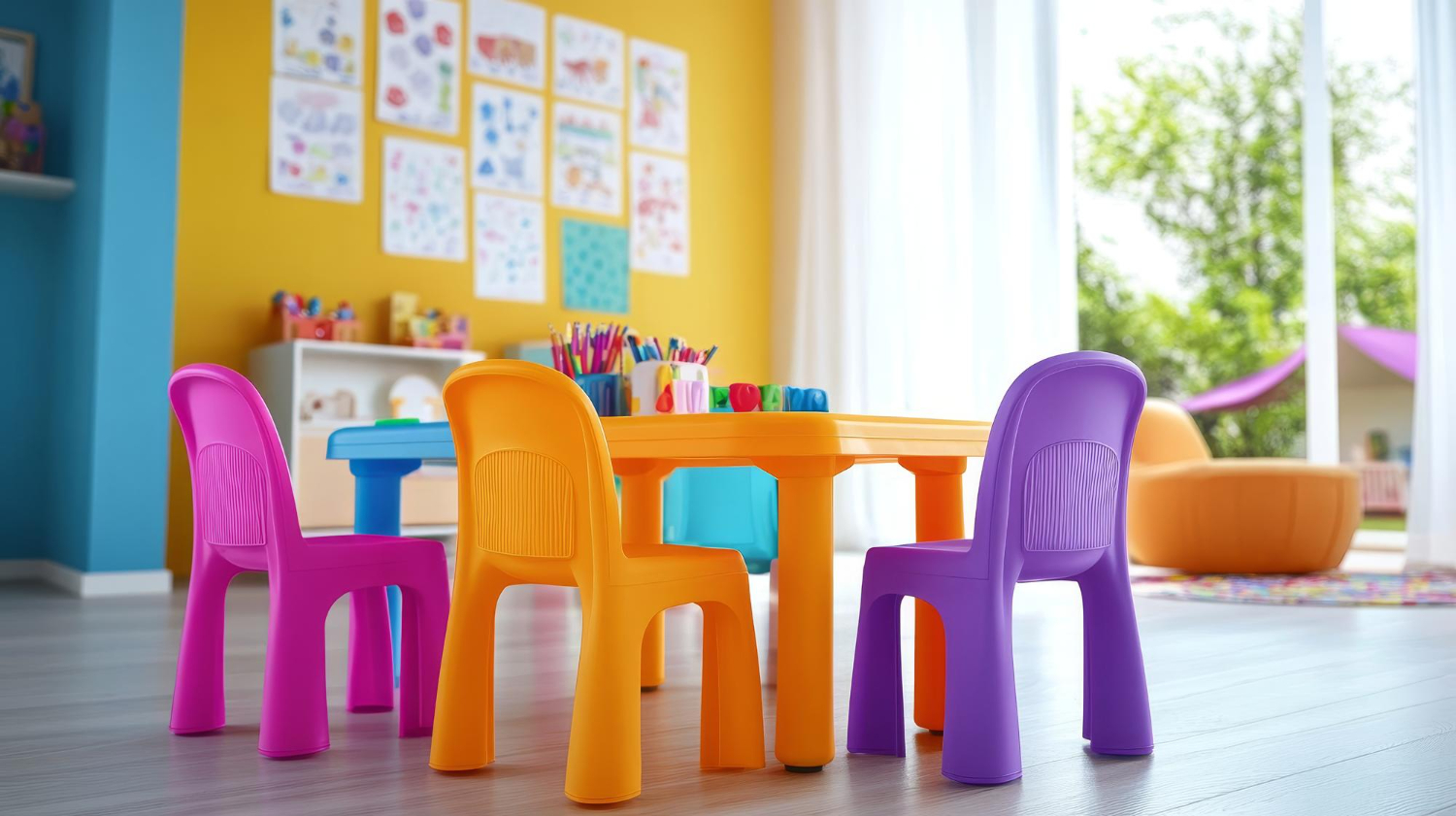
Soft furnishings need their own cleaning plan because they hold soil differently from hard surfaces. In education and childcare settings, this includes rugs, cushions, beanbags, fabric lounges, dress-up clothing, sleep mats, curtains and fabric-covered learning resources. These items receive frequent hand contact and may be exposed to food, outdoor dirt, respiratory droplets and toileting incidents.
Standard surface wiping does not always clean fabric thoroughly. Our childcare cleaning Melbourne programs help facility managers build practical schedules that account for how each room is used, the children’s age groups, enrolment numbers, fabric types and manufacturer instructions.
Under the National Quality Framework, hygiene planning should support National Quality Standard Quality Area 2, which covers children’s health and safety. Cleaning frequencies should be risk-based, documented and reviewed, rather than assuming every item needs the same treatment.
NHMRC's Staying healthy guidelines are the practical reference most services use for cleaning and infection control.
Which Daily And Weekly Triggers Require Cleaning?
Daily visual checks help educators and cleaning teams identify soft furnishings that need attention before they become a larger hygiene or maintenance issue. A nursery sleep space will not have the same risks as an after-school care reading corner, so room-based schedules are more useful than one generic checklist.
During regular checks, we recommend recording issues such as:
- Visible soil, food residue or wet patches
- Odours, loose fibres, damaged seams or exposed foam
- Pest activity or signs of contamination
- Items moved between indoor and outdoor learning areas
- Shared items that have had heavy use throughout the day
Sleep linen, dress-up clothes shared by multiple children and heavily used soft toys may need daily laundering or rotation under the centre’s procedures. Rugs, upholstered seating and larger fabric furnishings may be vacuumed weekly and treated with fabric-safe methods as needed.
Each service should follow its documented infection-control policy and manufacturer directions. The Education and Care Services National Regulations 2011, including regulation 77 on health, hygiene and safe food practices and regulation 88 on infectious diseases, plus Victorian Department of Health advice, should also be followed. Victorian Early Childhood Regulatory Authority (VECRA) is the regulatory authority for Victorian education and care services under the National Quality Framework.
When Does A Spill Or Illness Require Immediate Removal?
Some contamination events require affected furnishings to be taken out of use straight away. Vomit, blood, urine, faeces, food spills and contamination from wet clothing all need an immediate response under the service’s spill-response procedure, while suspected infectious illness requires immediate action under the service’s infectious-disease procedure.
Access to the affected area should be restricted while trained staff manage the incident. Appropriate personal protective equipment should be used, contaminated washable items should be removed for laundering, and staff should follow the site’s chemical safety information and safe work procedures.
For items that cannot be safely cleaned in place, professional treatment may be required before they return to the room. This is particularly important for large rugs, upholstered lounges and foam-based furnishings that may retain moisture or contamination below the surface.
Replacement can be safer than treatment when an item is heavily contaminated, damaged or unable to be cleaned according to manufacturer requirements. Porous foam items without removable covers, split cushions and furnishings with ongoing odours should be assessed as a maintenance risk, not simply returned to use after a quick clean.
How Often Should Centres Schedule Deep Fabric Cleaning?
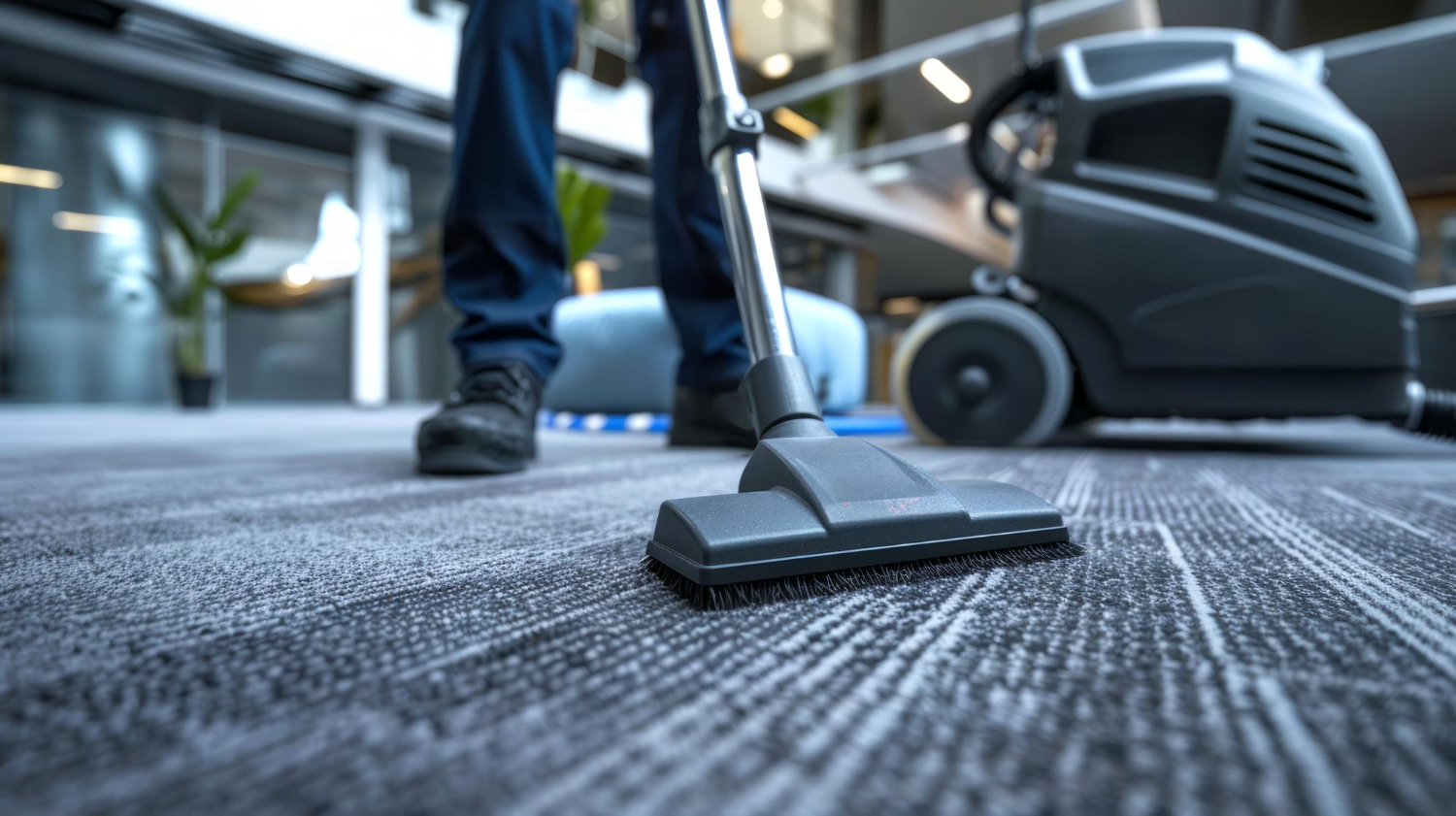
Deep cleaning supports daily and weekly tasks, but it does not replace them. Periodic extraction cleaning, low-moisture fabric cleaning, upholstery treatment and rug cleaning can remove embedded soil from high-use learning spaces.
There is no single frequency that suits every Melbourne childcare centre. We recommend setting the schedule through a documented risk assessment that considers:
- Enrolment levels and room turnover
- Indoor-outdoor traffic through learning spaces
- Food service areas and sleep rooms
- Shared multi-purpose and after-school care spaces
- Children with allergies or respiratory sensitivities
A centre with fabric seating near meal areas may need more frequent attention than a low-use office or staff room. Likewise, sensory areas and spaces with loose fabric resources may need closer monitoring because children interact with these materials differently.
Childcare cleaning Melbourne programs can be planned outside operating hours, allowing suitable drying time before children return. Cleaning methods, products and equipment should be suitable for an education and childcare environment, and furnishings should not be returned to use while damp or inaccessible for inspection.
What Records Support NQF And WHS Compliance?
Good records show that identified hygiene risks have been acted on. They also give centre management a clear way to check whether cleaning procedures are being completed as planned.
Useful records include:
- Cleaning schedules and completed task logs
- Incident reports and spill-response records
- Laundering records for shared fabric items
- Safety Data Sheets, SWMS and chemical registers
- Contractor attendance records and corrective actions
This documentation supports National Quality Standard Quality Area 2 and Quality Area 7. Quality Area 7 is particularly relevant where a service needs to show that health, safety and operational procedures are understood, implemented and reviewed by staff.
After specialist cleaning, quality checks should cover visual condition, odour, drying and safe return to use. Staining, recurring contamination, damaged seams or repeated odours may point to a maintenance issue that needs escalation rather than another routine clean.
How Can Centres Build A Safer Soft Furnishing Plan?
A workable plan starts with a room-by-room register of soft furnishings. From there, we recommend assessing how each item is used, setting daily and weekly checks, documenting incident-response steps and scheduling deep cleaning according to the risks in that space.
Facility managers should also check whether their current program covers more than floors, benches, bathrooms and touchpoints. Clear ownership between educators, centre management, laundry providers and cleaning contractors helps prevent fabric surfaces from being missed. Review the soft furnishing register regularly, update cleaning frequencies where needed and make sure the records match what is happening on site.
Keep Soft Furnishings Safe And Accountable
White Spot Group can help align cleaning tasks with your centre’s hygiene requirements, room use and documented procedures. Our childcare cleaning in Melbourne programs can include scheduled attention to fabric surfaces that require specialist methods. If your current scope leaves gaps in soft furnishing care, contact us to discuss a practical cleaning schedule for your centre.