Make Shared Spaces Safer Before the Next Incident
Common area cleaning should do more than keep a foyer looking tidy. If it is not cutting your slip, trip and hygiene risks, it is not doing its job. For facility managers, the pressure is real, with WHS duties, insurer questions and tenant expectations all landing on the same desk.
We see the same patterns across commercial, industrial, government and education sites. Slips on wet foyer tiles after heavy rain. Mould complaints in meeting rooms that sit full all day during budget and strategy periods. Trip hazards around lift lobbies after reactive maintenance, with offcuts, cords and tools left sitting in the shared zone. These are usually a sign that common area cleaning has been scoped around appearances and frequencies, not around specific WHS risks.
This piece sets out a risk-based approach to common area cleaning aligned with ISO 45001-style thinking. The focus is on changes you can implement in the next quarter that reduce recordable incidents, claims and disruption.
Where Common Area Cleaning Fails WHS in Practice
Across commercial, industrial, government and education sites, the same shared zones keep turning up in incident reports. High-risk areas usually include:
- Building entrances and foyers
- Lift lobbies and shared corridors
- Amenities and end-of-trip facilities
- Car parks and loading docks
- Shared stairs and fire exits
- Breakout areas and outdoor walkways
The cleaning scope often says "clean daily" or "mop as required". It rarely says "maintain slip resistance to P3", "keep egress routes free of equipment" or "control organic growth in damp corners". SWMS are often generic and ignore after-hours traffic such as cleaners working around security patrols, contractor activity or deliveries through shared docks. Teams are frequently not briefed on site-specific hazards such as pallet jacks, tug units or frequent after-hours visitors.
Common Non-Conformances That Show Up in WHS Audits Include:
- Wet floor signs not used, or left unplugged in plant rooms instead of at the hazard
- Missing or out-of-date chemical SDS in cleaning storage or plant rooms
- Vacuum leads running across thoroughfares without covers or controls
- Entry mats that ripple, curl or have damaged edging that creates trip risks
- No evidence of scheduled inspections or maintenance for auto scrubbers, burnishers or other common area cleaning equipment
When these gaps stack together, common areas become one of the highest WHS exposures on the site, even though they look presentable.
Linking Cleaning Tasks Directly to WHS Risks
The turning point is when cleaning is mapped directly to your WHS risk register. Every common area task should be linked to at least one risk category, such as:
- Slip, trip and fall
- Biological exposure and infection control
- Psychosocial risk and staff wellbeing
- Security and access control
- Emergency egress and evacuation
From there, the method becomes a control, not just a task. For example, entries can be specified to maintain a P3 slip rating, supported by correct matting, spot mopping methods and timed cleaning away from peak traffic. Amenities can use colour-coded microfibre and separate equipment for toilets, hand basins and touchpoints to manage cross-contamination risks.
Lobbies, stairs and shared corridors need clear spill response times and escalation paths. Someone has to own a simple rule such as "visible spill attended within minutes during core hours", and your cleaning provider should know how these get triggered. These expectations should be picked up in toolbox talks, contractor inductions and the WHS consultation structure, not just buried in a contract schedule.
Cleaning-related incident and near miss data should also be reviewed regularly. Tag events where cleaning contributed to the incident, or where a different approach could reasonably have prevented it, and feed this back into the scope.
Building a Risk-Focused Common Area Cleaning Scope
When the scope is built around WHS, it looks different for each sector, even if the task names stay familiar.
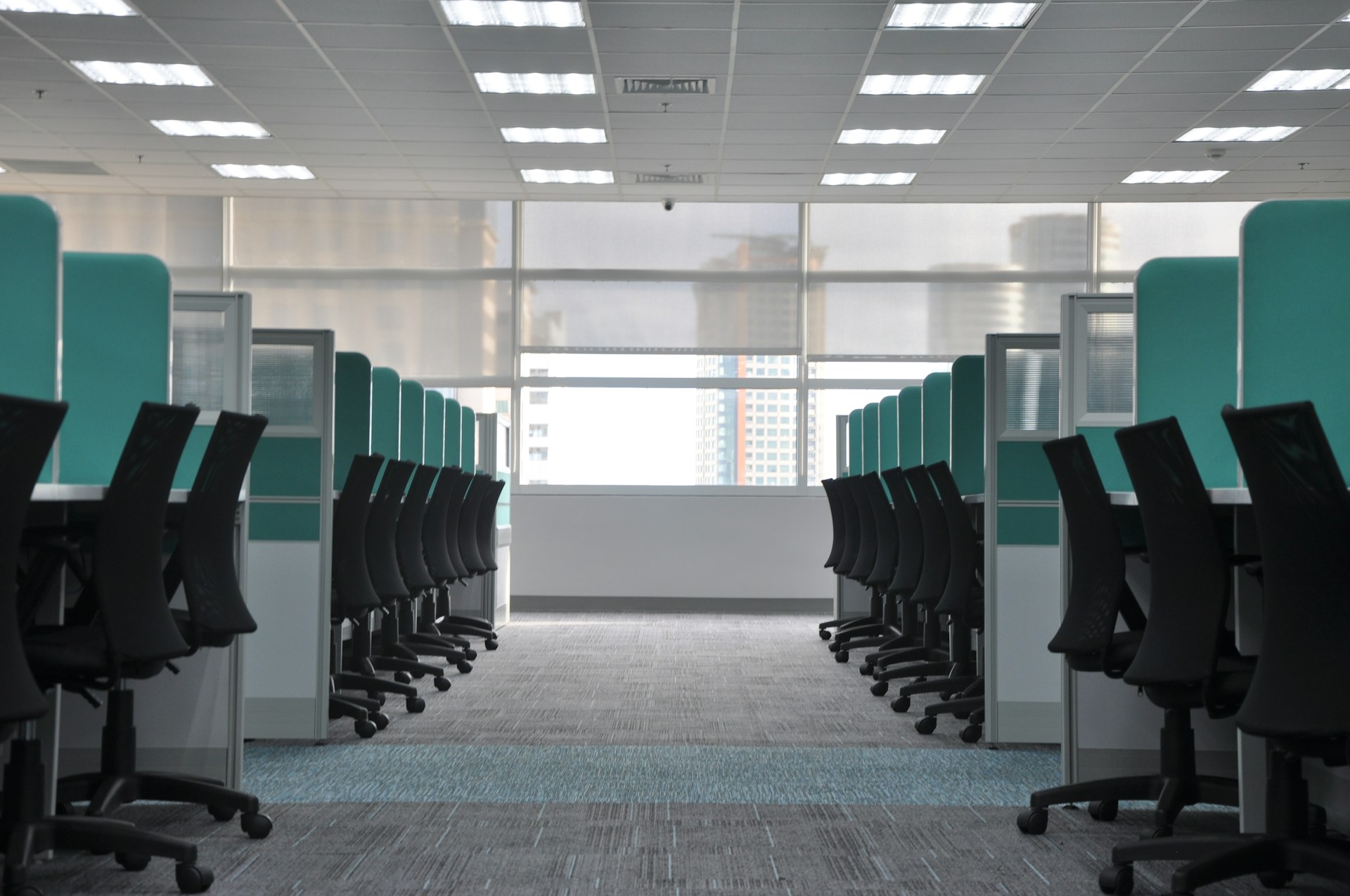
WHS-Focused Common Area Scope in Offices and Towers
- Entry mat selection, placement and regular extraction to manage moisture and grit
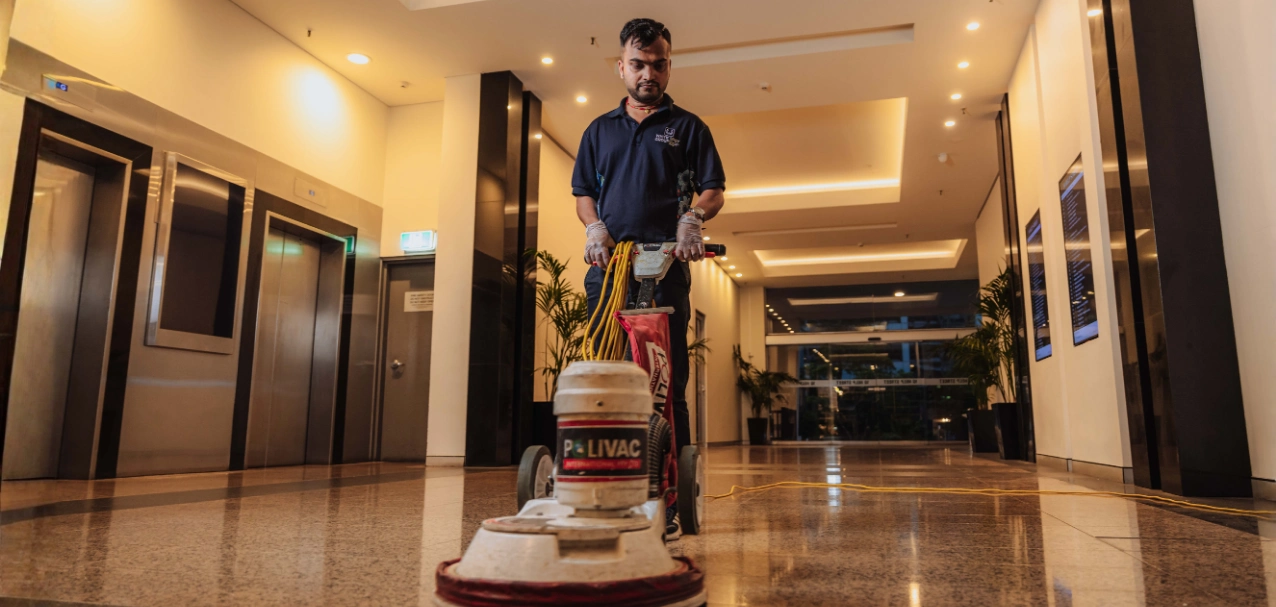
- Foyer and lobby floor cleaning methods that support required slip ratings
- Lift button and handrail sanitising, aligned with your hygiene expectations
- Clear egress routes, with scheduled checks to keep stairs and corridors free of waste and loose items
- Stair tread and nosing cleaning aligned with your emergency evacuation plans
In industrial and logistics environments, the focus needs to move beyond the front reception. A risk-based scope will typically address:
- Loading dock grime removal to keep surfaces trafficable for pedestrians and materials handling equipment
- Regular degreasing at forklift crossover points and warehouse entries
- Clearly defined pedestrian paths in shared yards, with debris and spill control
- Waste and recycling areas in common yards that stay clean and do not attract pests or block access points
In schools and tertiary education facilities operating under the NQF and ACECQA expectations, common area cleaning is directly linked to infection control, supervision and presentation. Practical controls include:
- Routine cleaning and disinfection of shared corridors, verandas and railings
- Slip prevention on covered outdoor areas where students move between indoor and outdoor spaces
- Scheduled checks of shared toilets, handwashing stations and drinking fountains
- Visible cleanliness standards in foyers and shared learning areas that support assessment and rating outcomes
Proving Compliance With ISO and WHS, Not Just Claiming It
When a provider works in line with ISO 9001, 14001 and 45001, the paperwork behind common area cleaning is structured and repeatable. For a facility manager, that means you should see:
- Site-specific SWMS for common area tasks, not just generic documents
- Chemical registers and SDS for all cleaning products used on site
- Equipment registers and maintenance schedules for scrubbers, vacuums and battery units
- Training records that show cleaners are briefed on WHS procedures for that particular facility
You should also be able to produce specific evidence at short notice when a regulator, client or insurer asks. Typical items include:
- Completed cleaning logs for high-risk zones like entries, lobbies and amenities
- Corrective action records after incidents, showing what changed in the cleaning program
- Independent slip testing reports for tiles in lobbies, ramps and external approaches
- Supervisor audit reports that reference WHS indicators, not just appearance
When cleaning data is tied into your broader WHS and quality systems, it is easier to show control over shared spaces. This matters where multiple tenants, contractors and visitors use the same lobbies, lifts and car parks, and lines of control can otherwise look unclear.
Seasonal Risks in Autumn and End-of-Year Operations
In Australia and New Zealand, autumn brings specific common area challenges. Heavy rain creates wet entries and slippery external paths. Fallen leaves fill drains and cover car park markings. Poorly ventilated basements, plant corridors and older meeting spaces can develop mould and damp odours as humidity changes.
Targeted Adjustments to Your Common Area Cleaning Plan Help
- Increasing frequency of entrance mat extraction and foyer floor cleaning during wet periods
- Scheduled removal of leaves and debris from walkways, ramps and fire exits
- Moisture monitoring and mould prevention cleaning in basements, plant rooms and low-ventilation corridors
- Extra attention to touchpoint hygiene in shared meeting rooms and breakout spaces as usage peaks around strategy and budget cycles
These controls are not just about comfort. Well-managed common areas during heavy weather and busy planning periods support business continuity, with fewer visitor injuries, fewer slip events and lower absenteeism from avoidable hygiene issues.
Turn Your Common Areas Into Low-Risk Zones This Quarter
Over a 90-day window, a facility manager can materially lift control over shared spaces by taking a structured approach:
- Review and rewrite the common area cleaning scope so each task links to a WHS risk
- Request updated SWMS and training records from cleaning contractors, with a focus on shared zones
- Walk all common areas with recent incident and near miss data in hand and verify that cleaning controls match the actual risks
- Confirm that cleaning-related inspections, such as slip testing and equipment checks, are scheduled and recorded
It is also worth benchmarking your current approach against an ISO-certified, integrated facility services model. Focus on measurable outcomes such as fewer slip and trip incidents, reduced hygiene complaints from staff and tenants, and consistently clear egress routes that stand up to audit. When cleaning teams are included in WHS conversations, joint site walks and co-signed risk assessments, common areas stop being a grey zone and become a controlled part of your WHS system.
Protect Your Strata Investment With Professional Cleaning Support
Keep your building looking its best and protect long-term value with specialist common area cleaning delivered by the experienced team at White Spot Group. We tailor our services to your strata’s unique requirements so residents, tenants and visitors always arrive to a clean, safe and welcoming environment. Talk with us about your building’s needs and we will recommend a practical, cost-effective schedule that works for your budget. To book a walkthrough or request a quote, simply contact us today.