Deep Cleaning as a WHS Control, Not a Luxury
Deep cleaning is a WHS control. It sits in the same space as ventilation improvements, guarding, and safe work procedures. When it is planned, risk-based, and documented, it supports ISO 45001 and ISO 9001 systems instead of being a one-off cosmetic clean, when complaints spike.
Routine cleaning keeps a site presentable and hygienic on the surface. Commercial deep cleaning is different. It targets hidden contamination, biofilm, residue in plant and equipment, and hard-to-access areas that drive risk but are easy to ignore on a daily run.
Across winter seasons, we consistently see respiratory illness peaks reflected in absentee data and incident logs on commercial sites. As absenteeism rises, people start asking harder questions about indoor air quality, shared touchpoints, and amenities hygiene. For offices, schools, healthcare, and transport assets, that is when deep cleaning should move from “nice to have” to a planned WHS control embedded in the safety system.
Routine Cleaning Versus Commercial Deep Cleaning
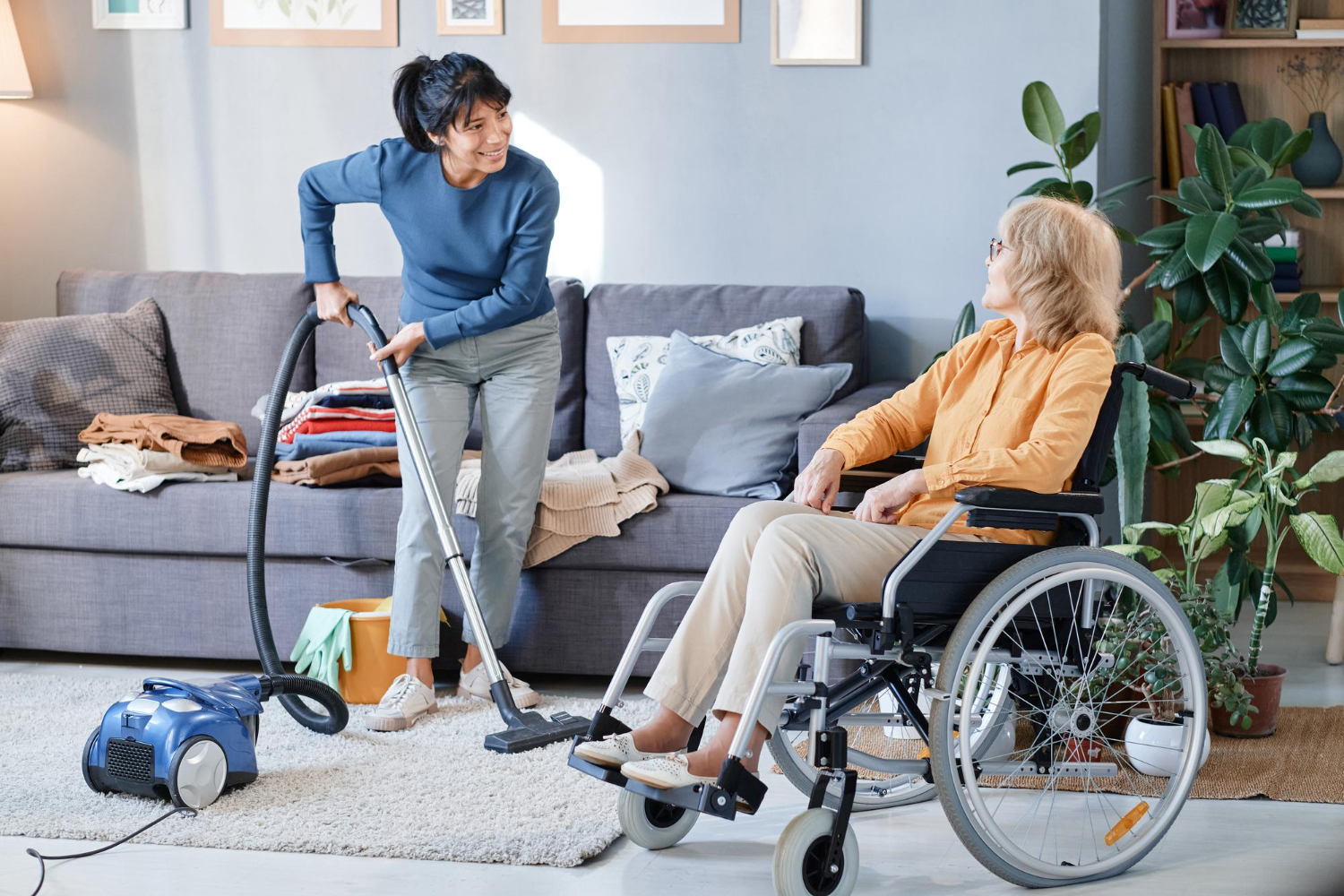
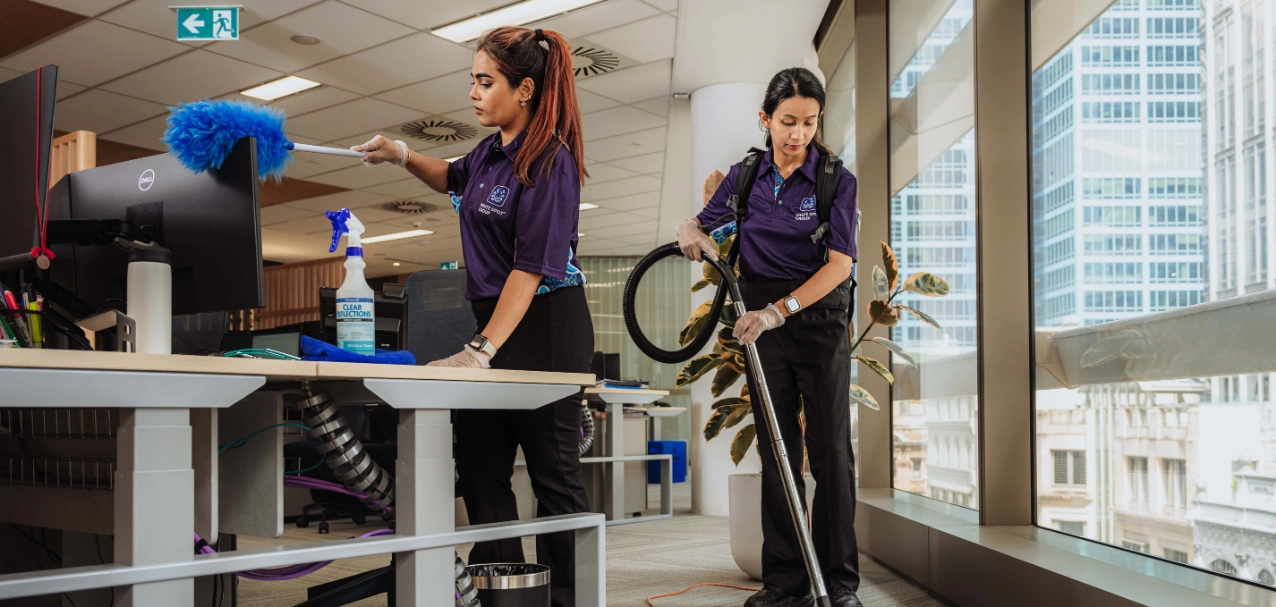
Routine cleaning is what day and night teams do against a set schedule. It is usually defined by a scope of works and backed by SWMS for core tasks that have been risk assessed.
Typical routine cleaning includes:
- Waste removal and bin wipe-downs
- General surface wiping and touchpoint disinfection
- Amenities cleaning and restocking
- Vacuuming, sweeping, and mopping of floors
- Basic kitchen and lunchroom cleaning
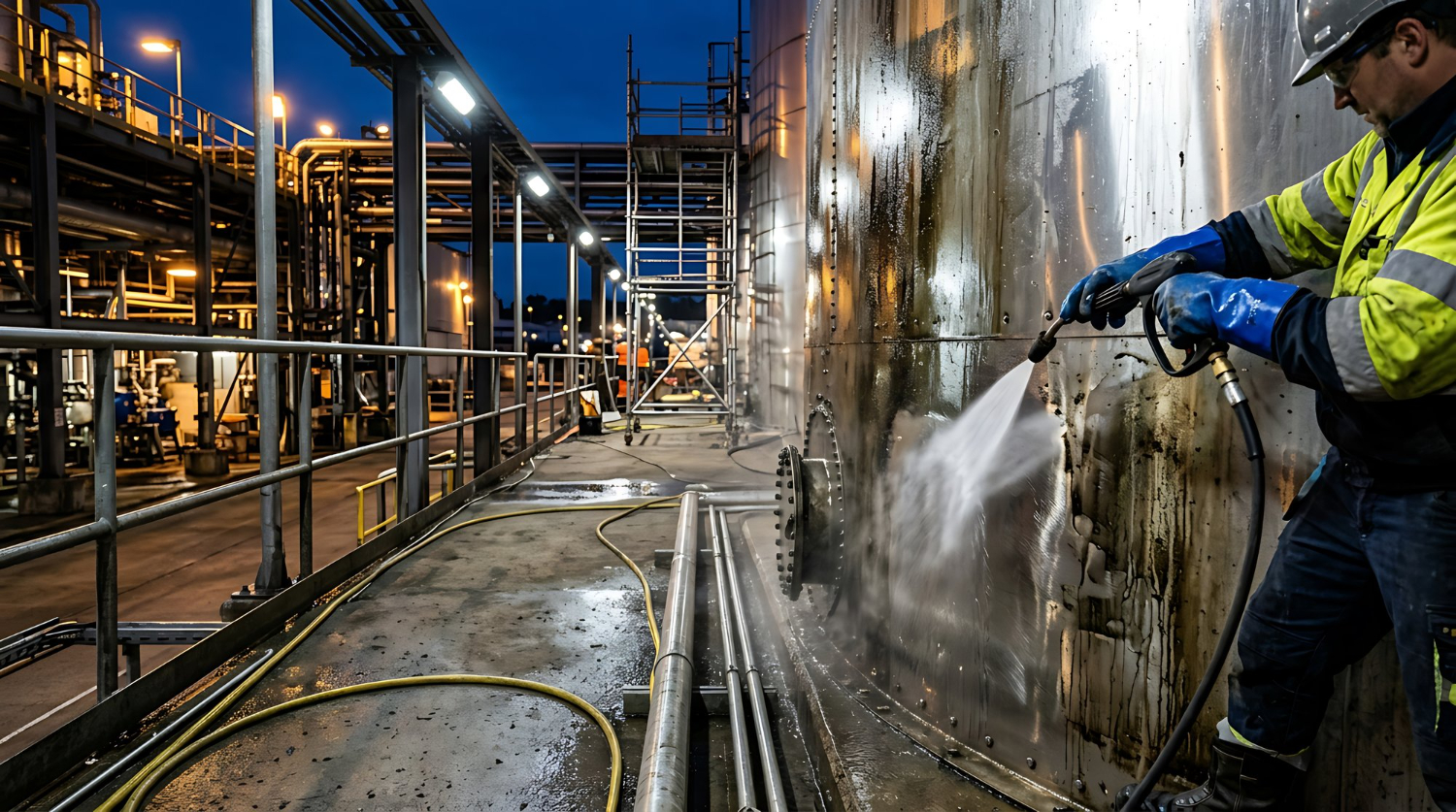
Deep cleaning is periodic and risk focused. It goes into the areas that create WHS and compliance exposure if they are not controlled. It is planned, often out of hours, and usually linked to specific triggers or scheduled shutdowns.
Commercial deep cleaning can include:
- high-access cleaning of ledges, beams, light fittings, and vents
- Back-of-house and plant areas, including behind guards and covers
- Descaling, degreasing, and decontamination of production areas
- Duct, grille, and vent cleaning that impacts indoor air quality
- Scrubbing of grout and slip-prone floors with machine scrubbers
- ATP-verified disinfection of high-risk zones such as amenities and food areas
The teams doing each type of work are often different. Routine cleaners may be competent for daily tasks, but deep cleaning can require higher-risk methods and specialist capability, particularly when the work involves working at height or in confined spaces, handling higher concentration chemicals or disinfectants, disassembling parts of plant and reinstalling them safely, or operating scrubber dryers and specialised extraction equipment.
You cannot simply tell a day cleaner to deep clean an area and expect a compliant outcome. A proper deep clean needs a task-specific risk assessment that is documented and reviewed, updated SWMS and (where relevant) permits to work, appropriate PPE, plant, and isolation processes, and evidence that staff are trained and competent for the method.
WHS Triggers For Moving From Routine To Deep
If deep cleaning is a WHS control, there must be clear triggers for when it is required. Some triggers are immediate and non-negotiable under WHS duties to manage foreseeable risks.
Typical WHS Triggers Include:
- Outbreak management for flu, COVID, gastro, or other infectious illness, aligned with site outbreak management plans
- Notifiable incidents involving blood or other body fluids
- Repeated slip incidents in kitchens or industrial areas linked to residue build-up, as shown in incident reports
- Contamination events in food prep, medication rooms, or clinical spaces recorded in non-conformance or incident systems
Regulatory and standards-based triggers are just as important. In Australia and New Zealand, these triggers may come from expectations and requirements such as NQF and ACECQA expectations for early childhood settings (particularly around hygiene and infection control), NSQHS standards for healthcare environments relating to Standard 3 (Preventing and Controlling Infections), food safety programs and audits for kitchens and food handling zones under HACCP (or equivalent systems), and PCBU duties under WHS laws to manage foreseeable hygiene and contamination risks documented in risk registers.
There are also asset-based and performance triggers that facility managers often see long before a regulator does. These are practical early warning signs that standards, hygiene, or reliability are drifting and that deeper controls are needed.
Asset and performance triggers can include:
- Visible biofilm, staining, or scale in amenities
- Persistent odour in carpets, soft furnishings, or locker rooms
- Indoor air quality complaints and reports of stuffy rooms
- Mould flags in HVAC inspections or visible growth on surfaces
- Corrosion or residue on plant and equipment that impacts reliability and maintenance findings
- Housekeeping non-conformance findings during ISO, client, or safety audits
When these triggers appear, the decision should move out of optional deep cleaning and into a clear WHS control step that is supported by your risk register and corrective actions.
Setting Deep Cleaning Frequency By Site Type
Once triggers are clear, the next step is setting a base frequency. Routine cleaning happens daily or weekly, but deep cleaning runs on a different band that reflects risk and the realities of how a site is used.
Typical frequency bands that align with what we see across commercial sites and audit programs include:
- High-traffic transport hubs and public amenities: quarterly deep cleans documented in the maintenance or FM system
- Schools and early learning: termly deep cleans aligned with breaks and NQF hygiene expectations
- Healthcare, clinical zones, and food production: scheduled deep cleans based on accreditation needs, NSQHS or food safety program requirements, and risk ratings
- Corporate offices: biannual deep cleans, with outbreak escalations when required and recorded in WHS reporting
A simple risk matrix helps you layer deep cleaning on top of routine tasks. Instead of treating every area the same, you weigh the risk drivers that increase the likelihood or consequence of hygiene, contamination, or safety issues.
Factors to weigh include:
- Occupancy levels and dwell time in each area
- Vulnerability of occupants, such as young children, aged care, or immunocompromised people
- Nature of work, such as clinical, industrial, or food handling
- Historical incident data, like slips, complaints, IAQ issues, or outbreak history
Make It Defensible: Formalize Decisions and Keep a Clear Audit Trail
To make deep cleaning defensible as a WHS control, the key is turning “what we think is reasonable” into documented decisions that are consultative, scheduled, and traceable. This is what allows you to show that the control is planned, resourced, and monitored, rather than reactive.
Practical ways to formalise the approach include:
- Present proposed frequencies to your WHS Committee for consultation and minute the decision
- Build deep cleaning KPIs into contractor agreements and performance reviews
- Lock schedules into your facility management system, including seasonal peaks such as winter illness and summer humidity
- Align timing with budget cycles and known shutdown windows where plant can be taken offline
Building Verification Evidence Auditors Will Accept
A deep clean that is not documented may as well not exist when an auditor arrives. Verification is what turns a cleaning event into defensible WHS evidence, and it is also what helps you prove the work completed matches the scope, method, and risk controls you intended.
Useful verification records include:
- Signed work orders and service reports that match your scope
- Time-stamped before and after photos of critical areas
- Chemical batch records and Safety Data Sheets for products used
- References to the SWMS or procedure used for the task
- Completed pre-start checks, toolbox talks, and permits where required
For higher risk zones, measurable hygiene verification tools add another layer. They help demonstrate that outcomes were achieved, not just that time was spent on site, and they support closeout of non-conformances where objective evidence is expected.
Examples include:
- ATP testing on key touchpoints and food contact surfaces
- Surface bioburden sampling in clinical or high-risk healthcare areas
- Slip resistance testing on known problem floors after treatment
- Indoor air quality readings where HVAC or mould has been a concern
Not every site needs every test. Use them where the risk is higher, where standards call for evidence, or where you are closing out a significant non-conformance.
To integrate verification into your safety system, treat each deep cleaning event as something that should connect back to your WHS documentation and contractor management processes, rather than living as a standalone “cleaning job.”
That integration can include:
- Link deep cleaning events to hazards and controls in the risk register
- Attach records to non-conformance closeouts and corrective actions
- Include cleaning verification in contractor performance reviews and WHS reporting
- Make sure records are accessible for NQF, NSQHS, ISO, or client audits, not buried in email chains
Turning The Framework Into A Site-Specific Plan
The framework only works if it is turned into a live, site-specific cleaning plan. Start with an asset survey, walk the site with your contractor and WHS representative, and map each zone so that both routine and deep cleaning requirements are defined in a way that is practical to deliver and easy to audit.
A Simple Step-by-Step Approach:
- Identify and list zones: front-of-house, back-of-house, plant, amenities, kitchens, classrooms, wards, platforms, vehicles
- Risk rate each zone against your WHS criteria and regulatory obligations
- Map current routine cleaning tasks and frequencies
- Define which tasks are deep cleaning and how often they are required by risk band
- Assign responsible parties, including internal teams and external commercial deep cleaning providers
Then align the plan with your WHS and ISO framework. This is where you ensure the plan can actually operate as a WHS control, with defined escalation, competent methods, and clear evidence requirements before work starts.
Key alignment actions include documenting specific triggers that shift work from routine to deep, setting clear escalation paths for outbreaks and notifiable incidents, defining verification evidence required by zone and task so expectations are clear before work starts, and ensuring SWMS, permits, and competence records align with the new tasks and methods.
For many facilities across Australia and New Zealand, winter is a useful checkpoint. It is a natural time to review current schedules, look at absentee and incident data, and compare what is on paper with what is actually happening on site. At White Spot Group, we treat commercial deep cleaning as part of a structured, audit-ready WHS cleaning program, integrating it into risk registers, contractor management, and ISO frameworks so that it stands up under regulator or client scrutiny.
Get Started With Your Project Today
If your workplace needs a thorough reset, we can tailor a commercial deep cleaning program to suit your schedule, budget, and compliance requirements. At White Spot Group we work around your team to minimise disruption while delivering consistently high standards. Share a few details about your site and cleaning priorities and we will prepare a clear, obligation-free proposal. If you would like to speak with our team directly, simply contact us to book an on-site assessment.