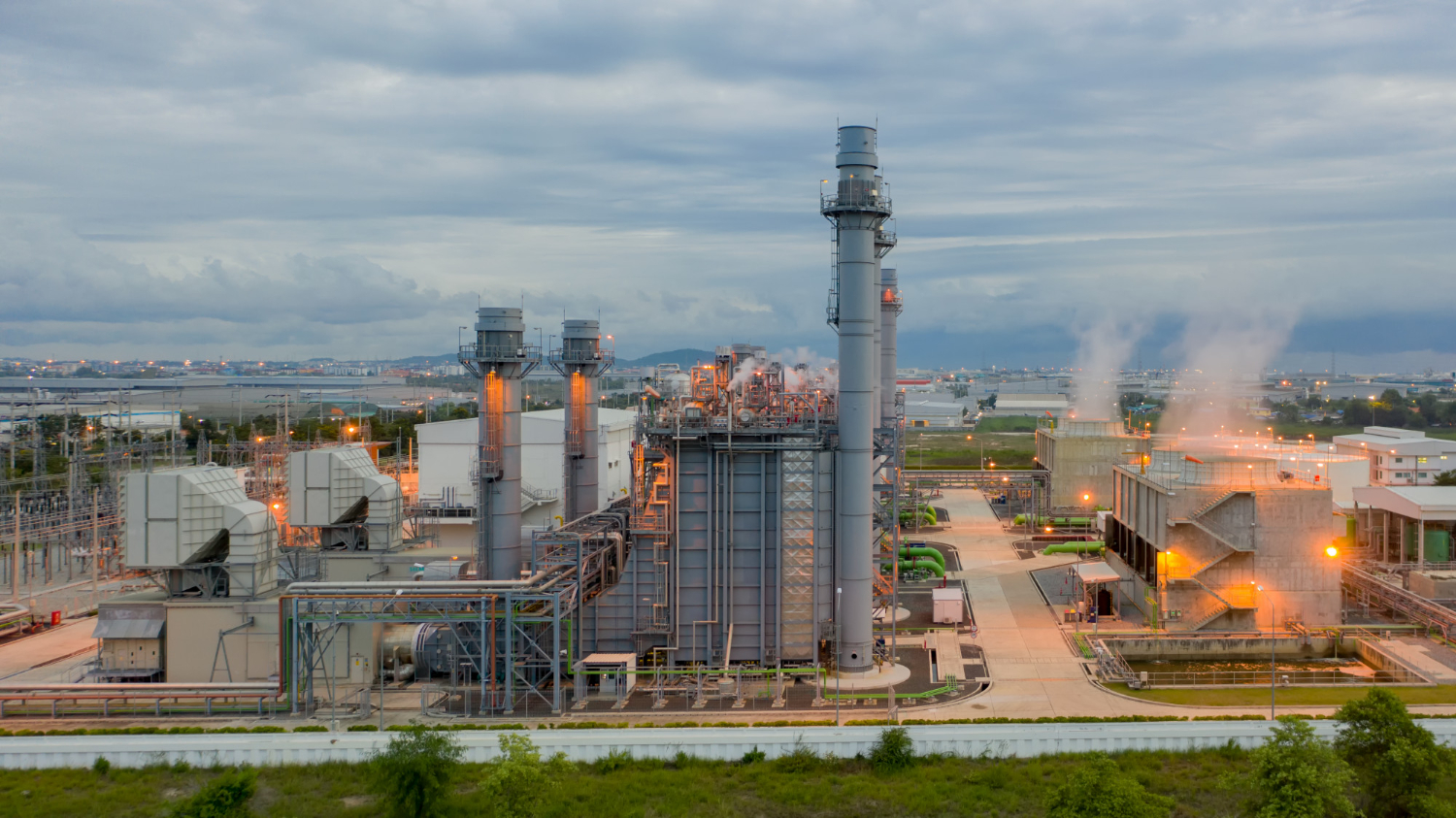
Industrial cleaning is a planned program for active manufacturing and industrial environments. ISO 45001:2018 clause 8.1 requires organisations to establish operational controls for activities that can affect WHS outcomes.
From a facility manager’s view, the work must fit the way your site runs. Safe Work Australia’s Model Code of Practice: Managing the Work Environment and Facilities identifies access, traffic routes, emergency arrangements and workplace conditions as matters requiring control.
How Does Industrial Cleaning Keep Production Areas Ready?
Within industrial and manufacturing sites, the approved cleaning scope may include production floors, warehouses, loading zones, lunchrooms, change rooms and waste holding areas. The scope should identify each area, its access conditions and the cleaning activities authorised by the site under ISO 45001:2018 clause 8.1.
Process dust, oil and grease residue, packaging debris, forklift tyre marks, production waste and contamination risks can affect cleaning methods. Safe Work Australia’s Model Code of Practice: Managing Risks of Hazardous Chemicals in the Workplace requires hazardous chemicals to be managed using current safety data sheets, labels and relevant control measures.
Scope boundaries protect people, assets and operations. Cleaning personnel should not enter machinery, move production equipment, access restricted areas or handle hazardous materials unless those tasks have been assessed, authorised and controlled through documented site procedures.
How Does Industrial Cleaning Fit Active Manufacturing Sites?
Industrial-site cleaning must account for plant safety, traffic separation, contamination controls, industrial waste streams and the need to keep production moving. Safe Work Australia’s General Guide for Workplace Traffic Management identifies the separation of pedestrians and mobile plant as a primary control measure.
Rather than working around general building occupancy, industrial cleaning should be scheduled around the site’s operating plan. This may include shift changes, maintenance periods, production changeovers, approved shutdowns or permit-controlled access windows identified by the facility.
Facility managers need clear evidence that the agreed work occurred and that site exclusions were respected. ISO 9001:2015 clause 7.5 and ISO 45001:2018 clause 7.5 require documented information to be controlled where it is needed to support effective processes.
Which WHS Controls Apply To Industrial Cleaning Work?
Industrial cleaning work must operate within the relevant state or territory WHS framework and your site safety management system. Cleaning teams should complete required site inductions and understand emergency procedures, evacuation points, traffic controls and incident reporting channels before commencing work.
Task controls should reflect the actual hazards in each area. Depending on the work, the controls may include the following:
- Safety data sheets and approved chemical storage arrangements must be available for hazardous chemicals used on site.
- Appropriate PPE, wet-floor controls and exclusion zones must be selected through the task risk assessment.
- Manual handling controls must address bins, equipment and consumables that present a handling risk.
- Pedestrians, cleaning staff and mobile plant must be separated through site traffic controls where practicable.
- Permit requirements must be met before cleaning personnel enter controlled or restricted work areas.
Higher-risk activities require more than a standard checklist. Where work meets the legal definition of high-risk construction work, a SWMS may be required under the Model WHS Regulations, regulation 291; for other tasks, risk assessments, work instructions, permits and client-approved procedures should address hazards such as energised plant, chemical exposure, confined spaces and forklift movements.
Why Do Documented Procedures Matter On Active Sites?
A documented scope gives every shift a clear operating reference. ISO 45001:2018 clause 8.1 requires organisations to maintain documented information to the extent necessary to have confidence that processes are carried out as planned.
The records you review should show more than attendance. They should identify whether cleaning outcomes were achieved, where work could not be completed and what requires follow-up.
- Attendance records and completed task checklists should identify the work completed during each service period.
- Inspection findings and corrective actions should record identified conditions and assigned follow-up actions.
- Incident reports and hazard notifications should be retained in accordance with site reporting procedures.
- Chemical registers and approved product details should identify the products authorised for site use.
- Service reports should record incomplete work, access restrictions and site issues requiring escalation.
Where your facility operates under ISO 9001, ISO 14001 or ISO 45001 management systems, cleaning records can support quality, environmental and safety objectives. Traceable records provide evidence of completed activities, reported issues and corrective action without making assumptions about certification status.
How Should Managers Prepare For Summer Shutdowns?
Manufacturing shutdown timing differs between facilities and should be confirmed through the site operating plan. ISO 45001:2018 clause 8.1 requires planned changes to be controlled so that WHS risks are managed before work proceeds.
Shutdown cleaning needs its own approved scope. At the planning stage, you should confirm plant isolation status, asset owner approval, permit conditions, hazardous-area restrictions and which spaces remain unavailable, even while production is paused.
Summer conditions can change the plan. Heat, stormwater ingress, dust movement, holiday staffing and altered waste arrangements may affect cleaning frequencies, chemical storage and access, so changed conditions and outstanding actions should be recorded before normal operations resume.
What Must Be Confirmed Before Cleaning Mobilises?
Mobilisation should confirm the approved scope, induction status, cleaning schedule, access arrangements, hazardous-area exclusions, chemical approvals, waste requirements and escalation contacts. This planning supports the operational-control requirements of ISO 45001:2018 clause 8.1 and helps prevent conflicts with production, maintenance or site safety controls.
Performance should be measured against documented outcomes, not general impressions. Reviewing completed tasks, inspection findings, corrective actions and recurring issues at agreed intervals provides records that support WHS, quality and operational decisions.
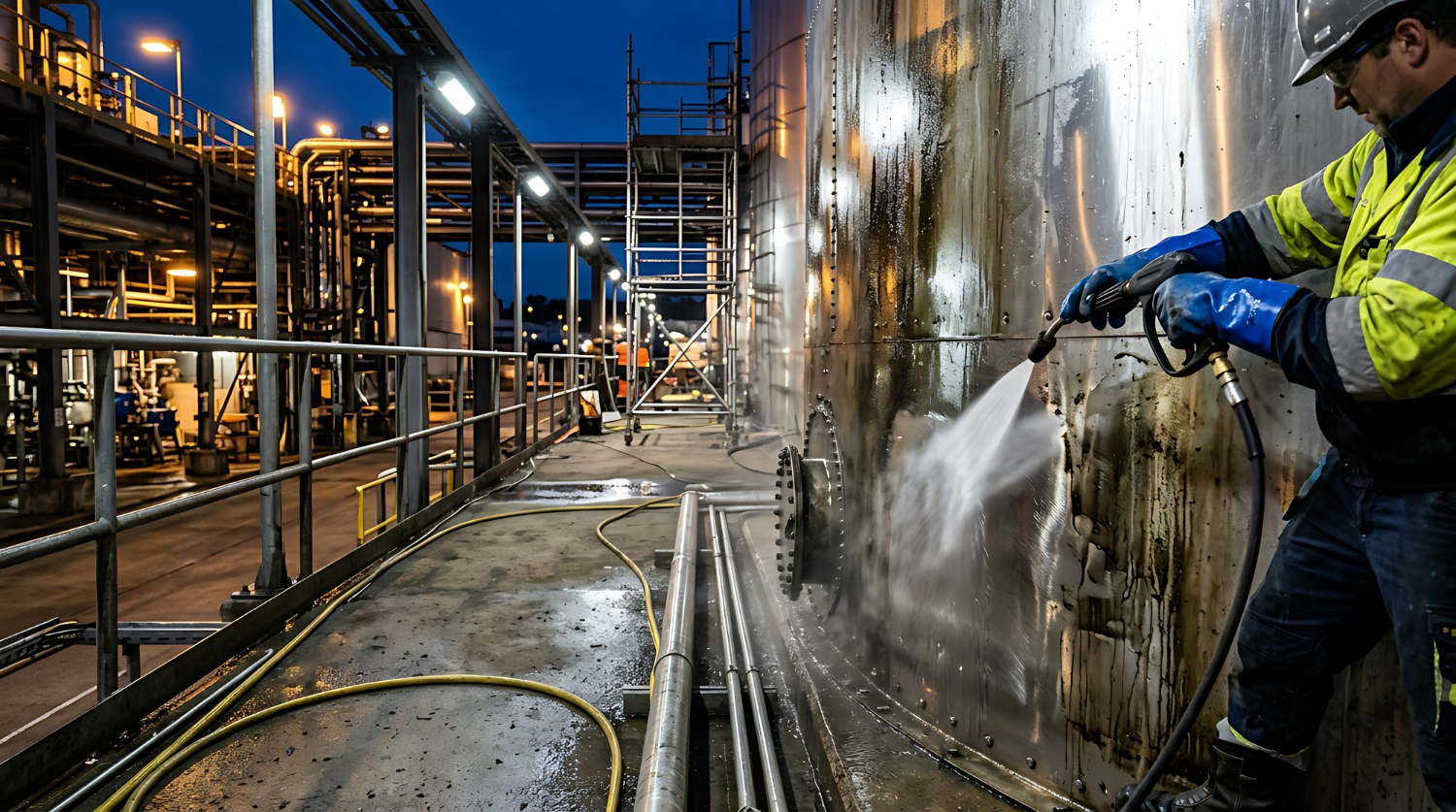
Reduce Risk in High-Pressure Cleaning
White Spot Group delivers industrial cleaning services in Australia for industrial and manufacturing sites where accumulated residue, oil and debris require controlled removal. Our team works to site-specific SWMS and access requirements, with scope, frequency and reporting aligned to your operational conditions. To discuss a high-pressure cleaning scope for your facility, contact us.