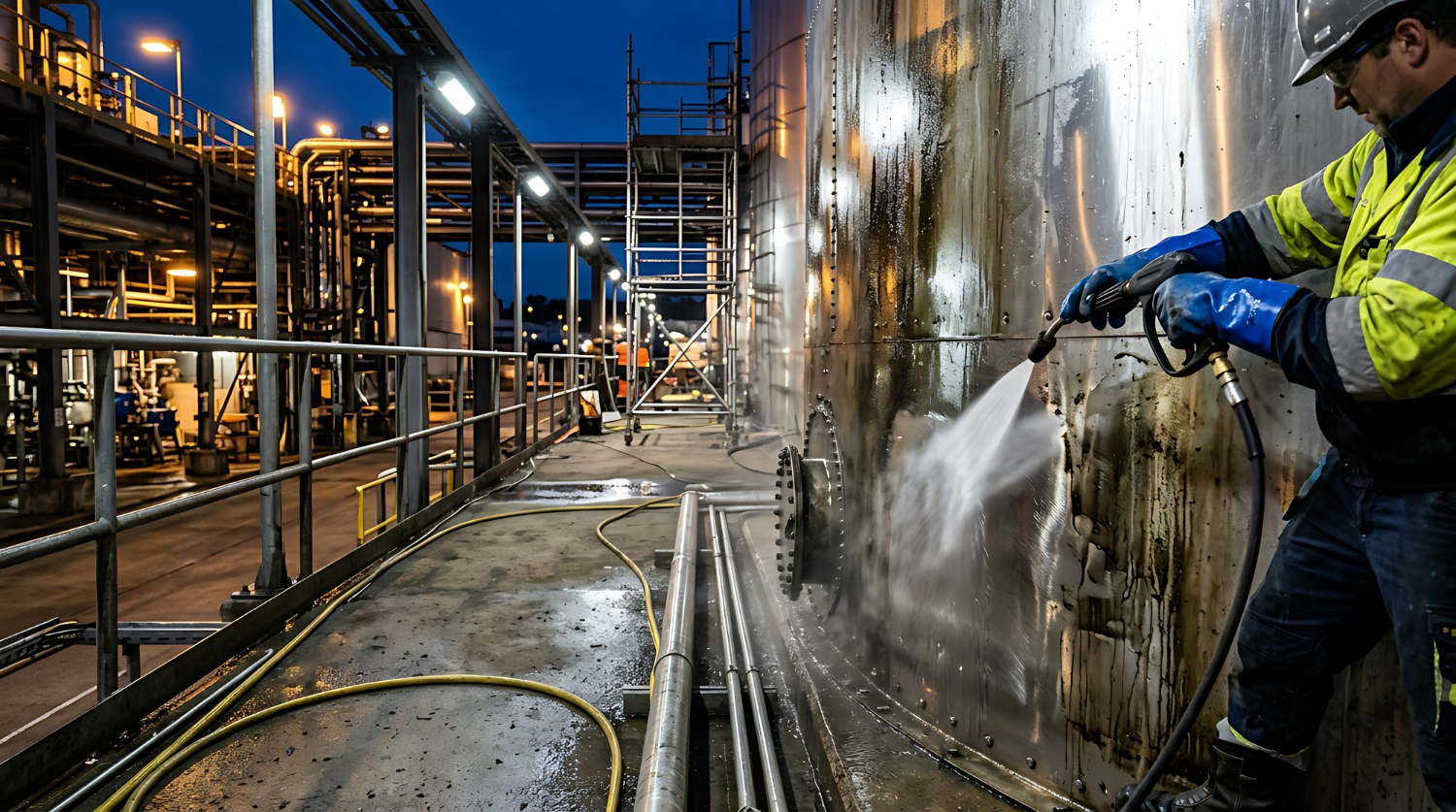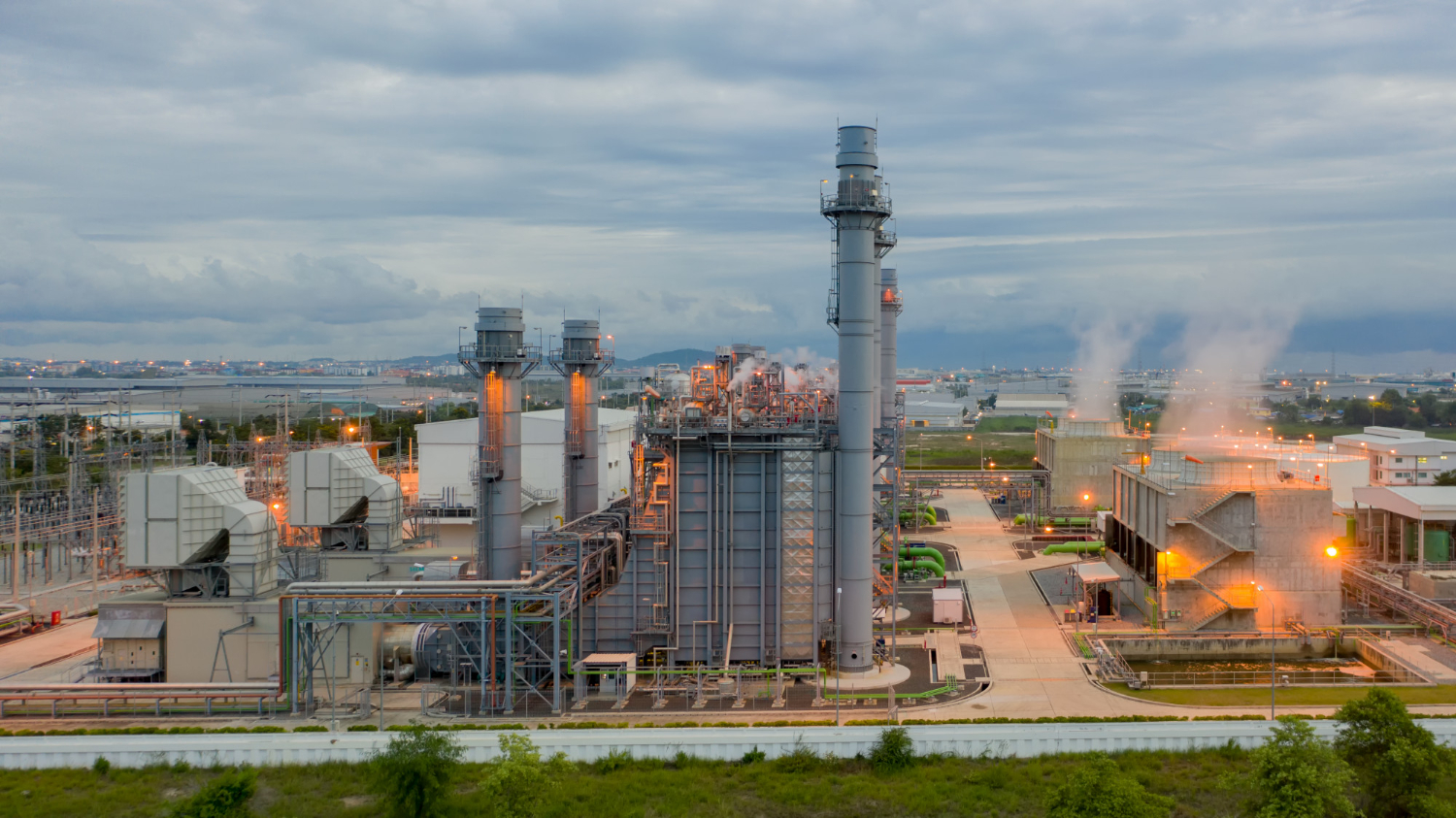
A plant shutdown is a controlled period where cleaning, maintenance, inspection and operational teams work to return agreed areas to a safe, orderly condition before recommissioning. For Industrial & Manufacturing sites, plant cleaning services need to follow the shutdown plan, site rules and the responsible manager’s direction.
At White Spot Group Australia, we treat turnaround cleaning as one defined part of the broader shutdown sequence. Our role is to complete the agreed cleaning scope, report exceptions and support a documented work-zone handover without taking responsibility for maintenance, engineering or commissioning decisions.
How Do Plant Cleaning Services Support A Controlled Restart?
Shutdown cleaning removes accumulated production residues, dust, oils, packaging debris and other site-specific contaminants from nominated work zones. The required scope depends on the asset condition, maintenance schedule, shutdown plan and the conditions set by your responsible site representative.
Cleaning may occur at different points during an outage. It can take place before maintenance teams need access, between scheduled tasks, before an inspection, or after maintenance work is complete. Each activity needs to fit the approved sequence so cleaners are not working in areas that remain restricted or under maintenance control.
For sites preparing for a year-end shutdown, October can be a practical time to confirm the cleaning program. Agreement on labour requirements, access restrictions, waste streams, work-zone order and verification records should occur well before the planned outage begins.
What Must Be Defined Before A Work Zone Is Released?
A shutdown announcement does not automatically make every part of a plant available for cleaning. Production floors, machine enclosures, loading areas, utility rooms, elevated platforms and access routes all need clear boundaries and approved access conditions.
Before work begins, site teams and cleaning personnel identify what is included in each zone and where other contractors may be operating. This helps avoid overlap with maintenance activities and prevents cleaning crews from entering an active, restricted or incomplete work area.
A practical work-zone plan may identify:
- Equipment, conveyors, guarding, platforms, floors and drains included in the scope
- Exclusion zones, shared access points and adjacent production areas
- The cleaning method approved for each surface or contaminant
- The person who authorises access and accepts the completed area
Release conditions should also be clear. Depending on the site’s requirements, acceptance may include clear walkways, removed waste, dry surfaces, clean drains, recovered residue or no visible contamination on nominated assets.
Handover points are recorded so everyone understands when cleaning can start, when it must pause and who accepts the area after completion. That structure matters during a turnaround, when several contractors may be moving through the same plant at once.
How Are WHS, SWMS And Access Controls Applied During Turnarounds?
Shutdown periods can change the risk profile of a manufacturing site. Compressed schedules, temporary barriers, mobile equipment and concurrent contractor activity all require active coordination under the site’s WHS arrangements.
Our task-specific SWMS should address the work being performed and the conditions of the assigned area. This may include chemical handling, manual handling, slip and trip risks, equipment use, working at heights, confined spaces and vehicle interactions, where these apply to the agreed scope.
Daily pre-start discussions and permit reviews can help identify changes before crews enter a zone. Cleaning may need to stop while nearby hot works, lifting operations, electrical work, confined-space entry or commissioning tests are underway.
Equipment and products also need to be suitable for the task. Cleaning products are used in line with the surface, contaminant and site requirements, with current Safety Data Sheets available where required. Industrial vacuums, pressure systems, scrubbers and elevated-access equipment must only be operated within approved conditions by appropriately authorised personnel.
How Are Isolation And Cleaning Methods Coordinated?
Cleaners do not independently isolate machinery, remove guards or assume plant is safe to access. Before cleaning starts, the site’s authorised isolation process should confirm that equipment, energy sources and moving plant are in the required safe state.
This may involve lockout and tagout arrangements, permit conditions, isolation registers and verification by the responsible site representative. Where access is needed around pits, process lines, overhead structures or enclosed areas, the site should also define entry points, traffic routes, fall-prevention measures and any rescue arrangements that apply.
The cleaning method must match the asset, contaminant and surrounding infrastructure. One method does not suit every manufacturing environment, particularly where sensitive equipment, electrical infrastructure, drainage systems or food-contact exclusions are present.
Depending on site approval, plant cleaning services may involve:
- Industrial vacuuming and manual debris removal
- Low-moisture cleaning or controlled washdown
- Degreasing and hard-floor scrubbing
- High-pressure cleaning where the site has approved its use
- Vacuum recovery of liquid, residue or loose material
Any damaged guarding, leak, unknown residue, exposed service, unsecured cover or unexpected energy source should be reported immediately through the agreed site process. Work does not continue where the agreed isolation, access or WHS controls no longer apply.
How Are Waste And Verification Records Managed Before Recommissioning?
Waste control starts where the material is generated. Site procedures determine waste separation and the nominated disposal pathway, which may include general waste, recyclable materials, contaminated absorbents, sludge, used consumables, production residues or regulated waste.
Washdown and liquid recovery need particular care around drains and external areas. Site-nominated collection, recovery and disposal arrangements help prevent uncontrolled discharge to stormwater or unsuitable drainage points, while retaining waste documentation where it is required.
Completion records show what work was performed against the agreed shutdown scope. Area-based records can identify the work zone, activity, personnel, equipment used, waste removed and completion status. Where required, photographs may also record nominated areas before and after cleaning.
Cleaning teams may identify blocked drains, corrosion, loose material, pest evidence, damaged surfaces or residue that cannot be safely accessed. These observations are reported as site findings, not maintenance repairs, unless separate authorisation has been provided.
How Can Site Teams Prepare For The Next Shutdown Window?
Previous shutdown records can guide the next cleaning plan. Reviewing completed tasks, delays, access restrictions, waste volumes and unresolved findings helps refine labour allocation, cleaning methods and the order in which work zones are released.
Before the next outage, confirm the agreed work areas, contaminant types, approved methods, isolation dependencies, permits, waste pathways and acceptance criteria. A defined cleaning scope supports safe access and orderly handover while leaving maintenance, production and commissioning responsibilities with the appropriate site teams.
Keep Shutdown Cleaning Ready for the Next Work Window
White Spot Group can provide plant cleaning services for industrial shutdowns where high-pressure methods, controlled access and waste containment are required. Our team works to the site’s SWMS, permit conditions and isolation requirements before mobilising. To discuss your upcoming turnaround requirements, contact us with the planned work window and cleaning areas.