How Does Repeatable Turnover Reduce Risk For Dental Patients?
Dental practice cleaning is not complete because a surgery looks neat. A room is ready only when your team can show that cleaning, disinfection, barrier replacement and waste handling were completed under your infection prevention procedures.
Respiratory illness patterns can vary by pathogen, state and year, so practices should plan for periods when reception spaces, waiting rooms and appointment schedules are under added pressure. We see rushed changeovers create gaps at high-touch points, which is why turnover needs a repeatable process rather than a quick visual check.
Guidance from the Australian Dental Association (ADA) Guidelines for Infection Prevention and Control and the NHMRC Australian Guidelines for the Prevention and Control of Infection in Healthcare sets the direction for infection control. Clinical teams remain responsible for clinical infection-control tasks, while we support clearly defined non-clinical and shared-area cleaning scopes.
What Must Be Cleaned Between Every Patient Session?
Cleaning and disinfection are related, but they are not the same task. Cleaning removes visible soil and organic material, while disinfection is applied to compatible clinical contact surfaces in line with the product label, required contact time and your practice procedure.
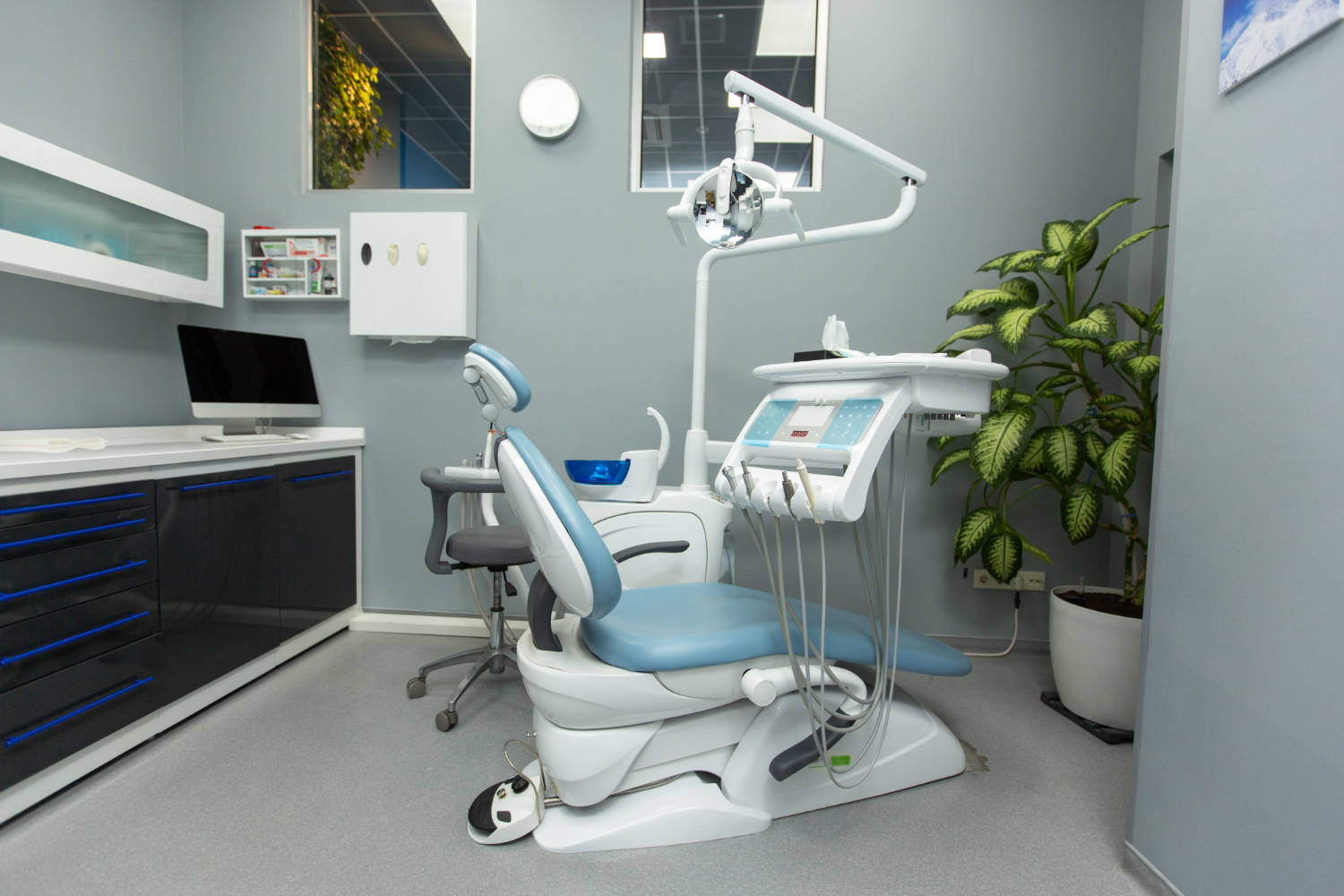
Your room-specific turnover checklist should identify the surfaces used during care. Depending on the procedure and room layout, this can include:
- Dental chair surfaces and chair controls
- Operating light handles and delivery unit controls
- X-ray equipment controls and computer input devices
- Benches, sinks, taps, drawer handles and touchpoints
- Single-use barriers that must be removed and replaced
A surface cannot be assumed to be disinfected simply because it has been wiped. Our cleaning teams work to the agreed scope, while practice-controlled clinical procedures should determine the products, sequence and sign-off requirements for clinical contact surfaces.
Waste handling also needs clear limits. Handling sharps containers should not become a routine task for cleaning staff unless that work is specifically authorised, risk assessed and included in their scope. Clinical waste should be managed under your practice’s documented waste classification and contractor arrangements.
How Can Between-Patient Cleaning Be Verified In Real Time?
The starting point is a documented visual inspection against a room-specific checklist. Before the room returns to service, the nominated checker should confirm that surfaces are visibly clean, barriers have been changed, waste has been removed and required products have been applied correctly.
A practical checklist can record:
- Date, time and treatment room
- Turnover tasks completed
- Name or initials of the responsible person
- Exceptions found during inspection
- Confirmation that the room is ready for use
Fluorescent marking programmes can provide an added layer of checking. Marks are placed on nominated high-touch points before cleaning, then reviewed afterwards to confirm whether the surface was physically wiped. We recommend recording results as a trend measure, because repeated findings can reveal unclear instructions, training needs or pressures during busy periods.
ATP testing has limits. It may indicate residual organic material, but it does not prove a surface is free from pathogens or that a disinfectant has achieved the required result. Testing supports correct technique and staff competency. It does not replace them.
Who Owns Each Turnover Task In A Dental Practice?
Clear role ownership prevents tasks from sitting between the dental assistant, clinician, reception team, practice manager and contracted cleaner. A written responsibility matrix should state who cleans each area, when the task happens and who signs off before a treatment room is returned to service.
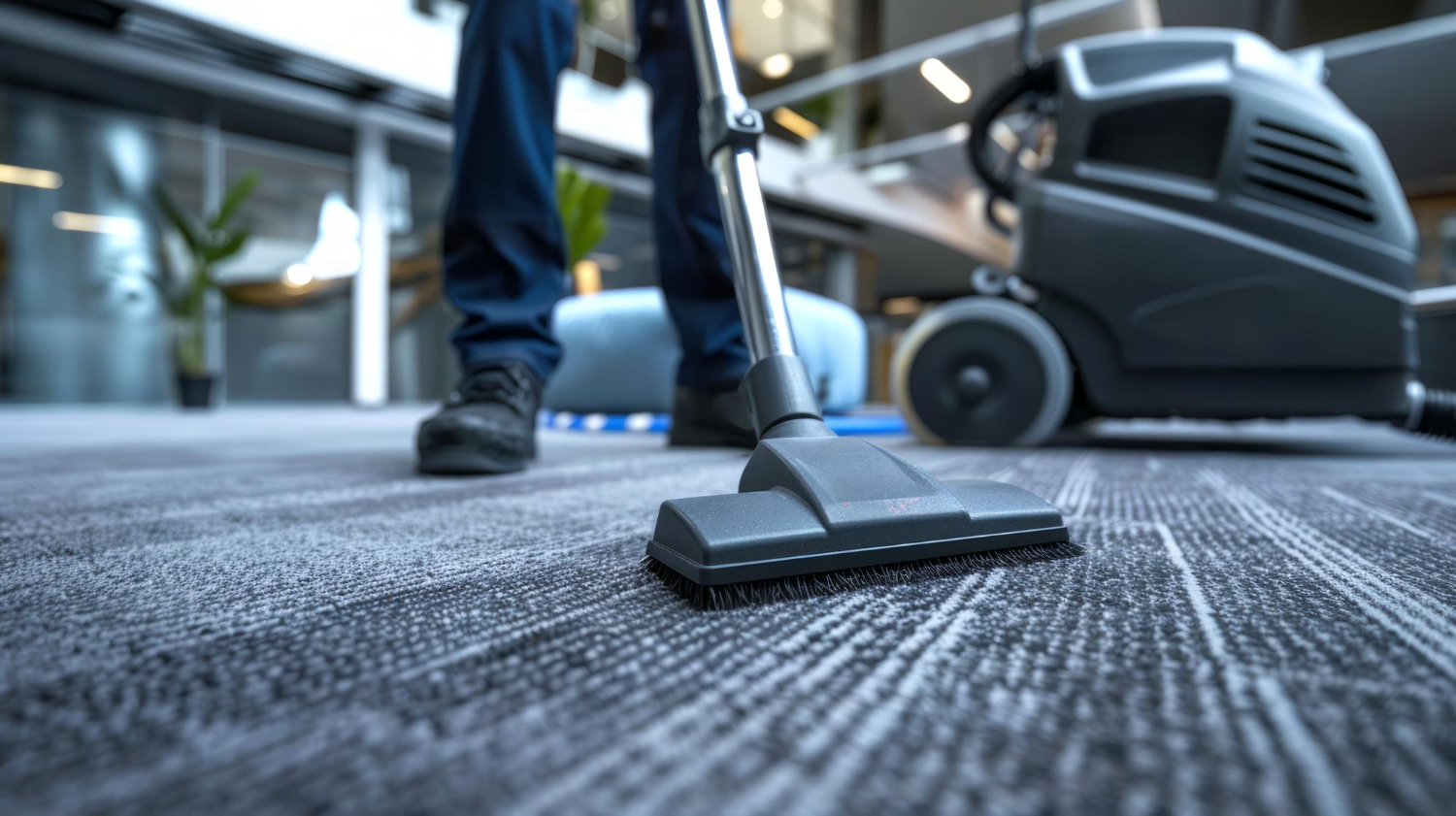
Clinical contact surfaces and instrument reprocessing areas generally need practice-controlled procedures completed by trained clinical personnel. Our commercial cleaning teams can be assigned defined work in waiting rooms, amenities, staff rooms, administration areas, floors and other non-clinical spaces.
Cleaning staff also need suitable WHS controls before work begins. Site induction, current Safety Data Sheets, correctly labelled decanted containers where permitted, suitable personal protective equipment and SWMS for higher-risk work all help control exposure and prevent avoidable incidents.
Schedules must also suit patient movement. Cleaning work should not obstruct emergency access, leave wet floors unmanaged or create congestion near reception and treatment areas.
What Records Prove Each Turnover Was Completed?
Good records show what happened, who completed the task and what was done when something fell short. For between-patient cleaning, we recommend retaining daily and between-patient checklists, cleaning schedules, product registers, Safety Data Sheets, training records, incident reports and corrective-action logs.
Each entry should identify the date, time, area, task, responsible person and any exception found. A blank signature line provides little value if it cannot show what work was actually completed.
Supervisor reviews should look for recurring issues, not only isolated misses. Repeated missed touchpoints, low stock levels, unclear task ownership and delayed cleaning during peak appointment periods all point to a process that needs adjustment.
Corrective actions work best when they include an owner, due date and follow-up check. As a commercial cleaning provider, we can contribute controlled work instructions, site-specific scopes, staff competency records and quality inspections. Your practice still needs to confirm that contracted tasks align with its infection-control procedures.
What Should Your Practice Check Before The Next Session?
Review one treatment-room turnover process from patient exit through to the next patient being seated. Confirm that every task has an owner, every product is used according to its label and every completed task can be checked.
Separating clinical, shared-area and commercial cleaning responsibilities in your cleaning specification gives clinical teams control over infection-critical work while keeping public touchpoints, amenities and staff areas to an auditable standard. Documented cleaning is a repeatable operational process, not a visual impression.
Strengthen Cleaning Controls Between Appointments
Our team can help align your practice cleaning program with documented schedules, high-touch requirements and site-specific WHS procedures. White Spot Group works with healthcare facilities to define clear scopes, verification records and escalation processes for shared and commercial areas. If you need to review your current specification, contact us to discuss your practice requirements.