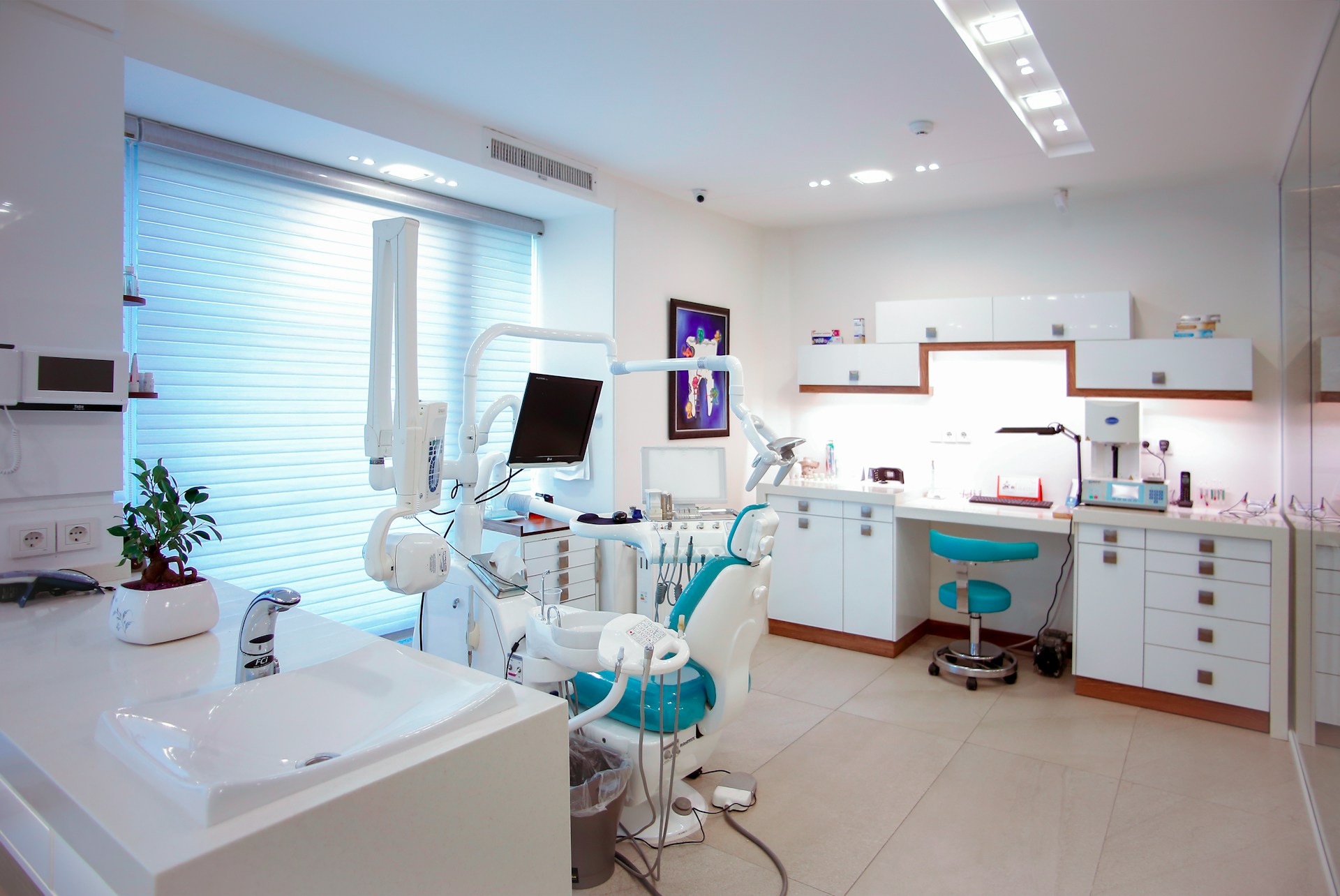
A dental practice can look clean while its cleaning schedule still misses the environmental controls that help reduce cross-contamination risks. Floors may be mopped and bins emptied, yet dental chair controls, shared keyboards or door hardware may not be cleaned and disinfected at the right time.
For dental practice cleaning, we focus on Deep Cleaning and Disinfection within the Healthcare and Medical Centre sector. The aim is not simply a tidy workplace. It is a documented process that supports the practice’s infection-control plan and gives staff clear, repeatable cleaning controls.
Can A Tighter Schedule Protect Your Dental Surgery?
A tighter schedule can help, but frequency alone is not the measure of good infection control. The right surfaces must be cleaned at the right point in the clinical day, using methods and products that follow manufacturer instructions.
Australian Guidelines for the Prevention and Control of Infection in Healthcare and Australian Dental Association Guidelines for Infection Control provide the broader framework for a practice. Your clinical lead remains responsible for infection-control procedures, while we ensure the dental practice cleaning programme works within those documented controls.
A schedule should clearly separate tasks that occur after patient treatment from routine housekeeping and planned deep cleaning. This avoids the common problem of assuming a daily clean covers surfaces that require attention between patients.
Does Dental Practice Cleaning Match Each Risk Zone?
Not every room has the same exposure profile. Reception, waiting areas, consult rooms, surgeries, sterilisation support areas, staff amenities and public bathrooms each need a scope that reflects how people use the space.
We recommend defining risk zones before allocating cleaning times, workers and products. A site-specific scope should identify clinical-contact surfaces, housekeeping surfaces and high-touch shared surfaces, rather than relying on a generic office-cleaning checklist.
Examples commonly included in a risk-zone review are:
- Dental chair controls, light handles and drawer pulls
- Keyboards, phones, touchscreens and payment terminals
- Door hardware, waiting-room armrests and shared seating
- Staff-room taps, fridge handles, kettles and cupboard doors
Your schedule should state what is cleaned after each patient, what is completed at set times during the day, and what belongs in planned Deep Cleaning and Disinfection periods. We build this around the practice layout, patient flow, procedures performed and the practice’s documented infection-control plan.
Are Clinical Touchpoints Reset Between Every Patient?
The clearest sign of a missed control is the absence of a documented process for resetting clinical touchpoints between patients. Surfaces likely to be contaminated during treatment need attention before the next patient is seated, following the practice’s infection-control procedures and product directions.
Cleaning and disinfection are not the same task. Cleaning removes visible soil and organic matter, while disinfection requires a suitable product at the labelled dilution and contact time needed to achieve its stated claim.
A rushed wipe-over may look satisfactory but fail to keep the surface wet for the required contact period. In practical terms, the process needs enough time, the correct chemical and a clear sequence that staff can follow.
Warning signs of an incomplete reset process include:
- Unclear responsibility during room handover
- No time allowed for chair turnaround
- Unlabelled spray bottles or missing chemical information
- Reusable cloths moving between clinical and non-clinical zones
- Staff relying on memory instead of a documented sequence
Safety Data Sheets, chemical registers and SWMS documents help show that the process is controlled under WHS obligations. We also look for clear instructions about product compatibility, especially around clinical equipment and touch-sensitive surfaces.
Does Dental Practice Cleaning Respect Reprocessing Boundaries?
Deep Cleaning and Disinfection supports a hygienic clinical environment, but it does not replace instrument reprocessing. Reusable instruments, dental handpieces and sterilisation workflows must remain under the control of trained clinical personnel and the practice’s documented reprocessing procedures.
Cleaning staff need clear boundaries around restricted areas. Without them, an environmental cleaner may accidentally disturb sterile stock, packaged instruments, clean zones or reprocessing equipment while completing routine tasks.
We recommend a written interface between the cleaning provider and the clinical lead. It should set out access times, room-release procedures, approved surfaces, chemical compatibility and escalation steps when visible contamination is found.
That interface should also identify which areas are excluded from environmental cleaning and when a room is ready to be cleaned. When reviewing these boundaries, your practice should refer to the current Australian Standards and dental infection-control guidance it uses for reprocessing.
Can Your Cleaning Records Stand Up To An Audit?
Completed work needs to be verifiable, not assumed. A defensible dental practice cleaning programme records the location cleaned, date, time, task, responsible worker, product used and any issue escalated to the practice manager or clinical lead.
Good records help everyone understand what happened if a task was missed or a concern is raised. They also make it easier to spot repeated issues in one surgery, during a particular shift or around a shared touchpoint.
A mature control system normally includes:
- Site-specific cleaning schedules and signed completion logs
- Chemical dilution records where applicable
- Staff induction and training evidence
- Current SDS access, incident reports and corrective-action records
Quality checks should inspect outcomes, not only tick boxes. Our supervisors can assess whether high-touch surfaces are included, whether products are being used to label directions, whether tools are controlled between zones, and whether the schedule still matches current surgery use and patient volumes.
Will A Spring Review Close Your Control Gaps?
Spring is a practical time to review cleaning controls before year-end demand, staff leave and shutdown planning place pressure on routine processes. Compare the written schedule with what actually happens when surgeries are turning over during a busy operating day.
Walk the site with your clinical lead and cleaning supervisor. Review risk zones, confirm ownership at each handover, check approved products and SDS records, and make sure Deep Cleaning and Disinfection tasks can occur without disrupting clinical care.
Update the scope, responsibilities and verification records before a missed task becomes an infection-control concern. The strongest programme is one your practice can demonstrate, supervise and improve through documented evidence.
Strengthen Your Cleaning Verification
White Spot Group can align your cleaning scope with the high-touch surfaces, clinical zones and verification records required in a healthcare setting. Review our dental practice cleaning service to see how we support documented, site-specific cleaning programmes. If you need an assessment of current schedules and cleaning controls, contact us to discuss your practice requirements.