Effective lift-lobby soil control depends on managing the routes contaminants take from building entries to lift doors and tenancy thresholds. Each control point needs to reflect pedestrian traffic, floor finishes and the condition of surrounding common areas.
Why Lift Lobbies Need Their Own Soil-Control Plan
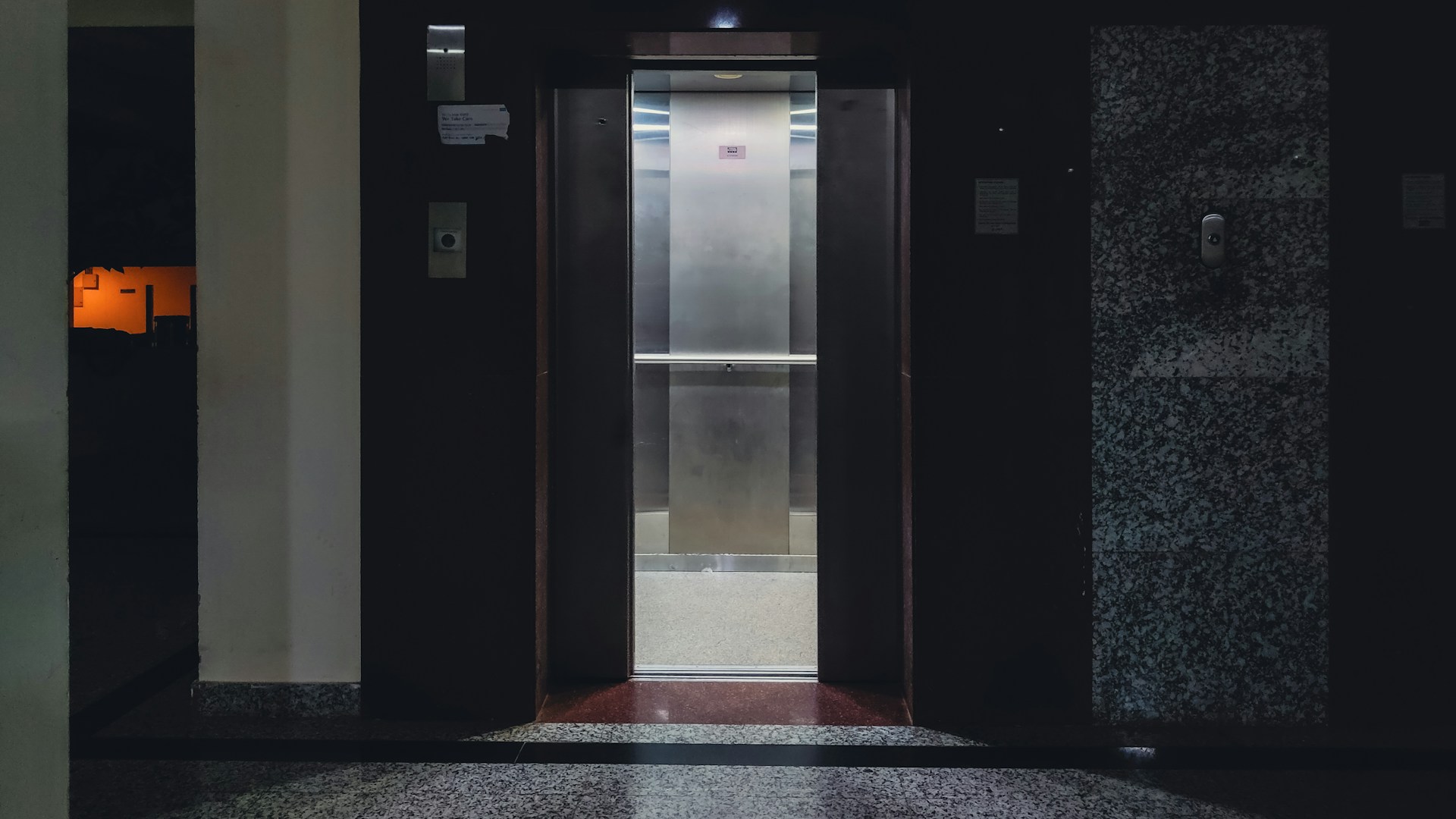
Lift lobbies are one of the main transfer points in a Sydney CBD office building. Street grit, moisture, dust and debris can move from entrances and shared foyers into lift cabins, then spread across office floors, corridors and tenancy reception areas.
For corporate offices and commercial sites, this is more than a presentation issue. Soil on hard floors can create slip hazards, wear down floor finishes and increase cleaning labour. It can also affect how tenants, visitors and staff view the building’s overall standard.
We define soil transfer as the movement of contaminants carried by footwear, trolley wheels, delivery equipment and bags. It commonly includes grit, moisture, street dust, food debris, carpet fibres and fine particles that settle around lift thresholds and landing edges.
Separate attention is necessary because lift lobbies receive constant foot traffic from people who do not stop for long. They move quickly between lifts, corridors and offices, often following the same paths. Our commercial and corporate cleaning programs begin by identifying where soil enters, how it travels and where it settles before it becomes embedded in flooring.
Where Does Soil Enter And Move Through A Lift Lobby?
Soil can enter a Sydney CBD office building through more routes than the main street door. Car park access points, loading docks, shared foyers, delivery paths, end-of-trip facilities and tenancy thresholds can all feed contaminants towards lift areas.
Ground-level lobbies often receive heavier grit and moisture from outside access routes. Upper floors may look cleaner at first glance, yet they can collect fine dust, debris from lift cabins and particles tracked from common corridors into office entrances.
During a walkthrough, we recommend reviewing the full traffic route rather than only inspecting the visible centre of the lobby. Particular attention should go to:
- Lift landing edges and door tracks
- Mat boundaries and the floor immediately beside them
- Skirting lines, corners and corridor turns
- The first five metres beyond each lift lobby
- Delivery routes and regular trolley paths
Cleaning programs for Sydney CBD offices work best when cleaning teams and facilities managers compare these observations with building traffic patterns, tenant access arrangements, complaint records and floor-condition photos. This makes recurring soil paths easier to identify.
Which Entry Zones Stop Soil Before It Reaches Lifts?
Walk-off matting is often the first control point, but it only works when it is matched to the risk. A short, flattened or saturated mat may hold some debris while allowing grit and moisture to continue onto hard flooring or carpet tiles.
Effective cleaning plans for Sydney CBD offices should treat entry matting as a controlled soil barrier, not as a decorative feature. We assess whether mats are secure, have sound edges, are vacuumed often enough and remain suitable for the volume of pedestrian or trolley traffic.
Different conditions need different controls. Dry grit may require effective scraping and capture at the entry, while wet footwear needs matting and floor surfaces that support slip-resistance requirements. Any change to mats, floor treatments or cleaning products should align with floor manufacturer guidance, WHS requirements and available SDS records.
Transition zones deserve higher cleaning frequency because they are where soil changes surfaces. This includes the path from a building foyer to lifts, the lift lobby itself and the tenancy entrance where carpet, vinyl, stone or other floor finishes begin.
How Should Teams Clean High-Traffic Lift Lobbies?
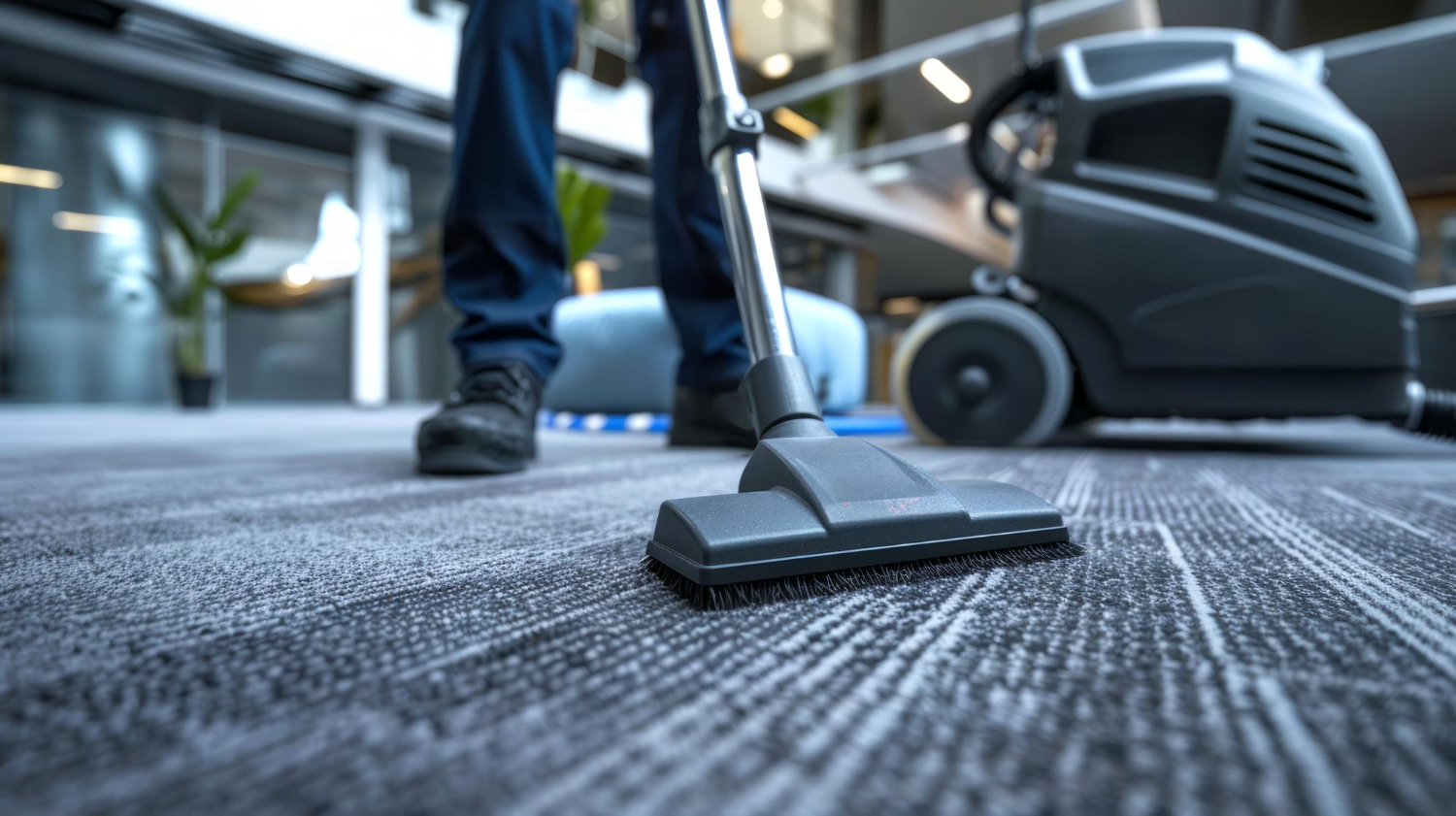
High-traffic lift-lobby cleaning starts with dry soil removal. Vacuuming or controlled sweeping removes loose grit before damp cleaning, which helps prevent particles from being spread across the floor or worked into joints and edges.
Our teams then focus on areas that standard passes can miss, including lift tracks, corners, landing edges, skirting lines and visible transfer marks near doors. Spot cleaning during the day can address fresh debris, while after-hours work allows for more detailed floor care with less interruption to passengers.
Frequency should follow actual condition and traffic, not an assumption that one daily clean suits every floor. Cleaning teams should record frequencies and response times so they can be checked against actual lobby usage.
Safe work controls also matter in active office environments. Safe work procedures should guide tasks such as:
- Wet-floor signage and safe placement around lift doors
- Chemical dilution and SDS access
- Manual handling for equipment and waste
- Electrical checks for vacuum and floor-care equipment
- Maintaining safe public access while work is underway
Cleaning staff need clear instructions on when to pause or adjust work around heavy passenger movement. Safe access to lifts must take priority over completing a cleaning task.
How Can Managers Verify That Soil Controls Are Working?
Inspection standards give facilities managers a practical way to check whether the controls are doing their job. Rather than relying only on a general impression, we recommend setting clear criteria for mat condition, visible grit at thresholds, debris in lift tracks, floor finish appearance, cleaning residue and potential slip hazards.
Quality checks can be recorded through routine service reports and reviewed against tenant feedback, complaint trends, the need for floor restoration and cleaning labour hours. Quality records and WHS inspection findings can help show whether performance is stable or whether a particular floor needs extra attention.
Controls should be adjusted when conditions change. Common triggers include higher visitor traffic, tenant move-ins, nearby construction activity, altered access routes, repeated presentation complaints or an increase in debris carried through shared areas.
Facilities teams should also review whether the current cleaning schedule matches the building’s real daily rhythm. Even a lobby that stays presentable in the morning may need a targeted response later in the day, particularly where lifts connect busy shared spaces with corporate tenancies.
What Should Facilities Teams Do Next?
Start with a site-specific soil-pathway assessment covering building entries, matting zones, lift thresholds, common corridors and office access points. Clear inspection standards and response requirements make it easier to audit cleaning performance and identify issues before floor finishes show visible damage.
Consistent soil control supports a safer and more presentable Sydney CBD office environment. When traffic routes, matting performance, cleaning frequency and inspection results are reviewed together, lift lobbies are far less likely to become the point where dirt spreads through the workplace.
Reduce Soil Transfer Between Cleaning Cycles
White Spot Group can assess lobby traffic patterns, matting placement and cleaning schedules to support reliable office cleaning in Sydney CBD. Our team works with facility managers to identify practical controls for high-use entry points and shared lift areas. For a site-specific discussion, contact us to arrange an assessment.