Warehouse managers need a cleaning method that keeps chargers, batteries, forklift operators and cleaning staff separated from preventable electrical, chemical and vehicle movement hazards. Safe work depends on confirming site controls before cleaners enter the bay and stopping work when conditions change.
Why Are Battery Charging Bays Controlled Work Areas?
Battery charging bays are not ordinary warehouse floor space. In Western Sydney transport and logistics facilities, we treat them as controlled work areas because cleaning may occur near live electrical equipment, vehicle movements, battery handling equipment, ventilation systems and possible electrolyte residue.
Before our cleaning teams begin work, we confirm the bay’s operating status and site controls. This guidance applies to planned cleaning in operational areas. Damaged batteries, thermal events and significant chemical releases must follow the site emergency procedure, battery manufacturer guidance and competent emergency response arrangements before routine cleaning resumes.
Which Battery Hazards Change The Cleaning Method?
The battery type in use determines how we plan the cleaning method. Flooded lead acid batteries may release hydrogen while charging and can leave corrosive electrolyte residue if there is a leak or spill. Sealed lead acid batteries have different handling needs, while lithium ion batteries with signs of damage require isolation and manufacturer-directed incident management.
A battery inventory should be the starting point for any charging bay cleaning plan. We review the charger manufacturer instructions, current Safety Data Sheets, the warehouse battery charging procedure and the facility’s documented WHS controls before work is assigned.
The site risk assessment should check practical conditions such as:
- Charger locations and the condition of cables, plugs and terminals.
- Battery handling equipment, parked forklifts and vehicle routes.
- Mechanical ventilation and nearby ignition sources.
- Floor drainage, floor penetrations and stormwater protection.
- Emergency eyewash access and clear emergency routes.
We also recommend checking that the planned controls align with the Work Health and Safety Regulation 2025 in NSW. The goal is simple: cleaning staff need to know what is present, what can go wrong and who has authority to control the area.
What Must A Pre-Clean Isolation Check Cover?
Where practical, we schedule cleaning outside active charging periods. Cleaners must not disconnect, isolate or restart chargers unless they are authorised under the warehouse electrical isolation procedure. That boundary protects both the cleaning team and the people operating the equipment.
Before entry, our supervisors inspect the bay for active charging, damaged leads, exposed terminals, leaking batteries, blocked ventilation and forklifts left in the area. Unsafe access routes, loose packaging and poor pedestrian separation also need to be controlled before cleaning begins.
The cleaning SWMS should clearly set out:
- The exclusion zone around chargers and batteries.
- Pedestrian and forklift movement controls.
- The PPE required for the identified task and battery type.
- Emergency contacts and escalation steps.
- Stop-work triggers, including leaks, smoke, heat or damaged equipment.
Any electrical isolation must be completed by an authorised person under the site procedure and applicable electrical safety requirements. AS/NZS 3000 may be relevant to the installation, but cleaning staff should never assume they can make electrical equipment safe by themselves.
Which Cleaning Methods Protect Chargers And Floors?
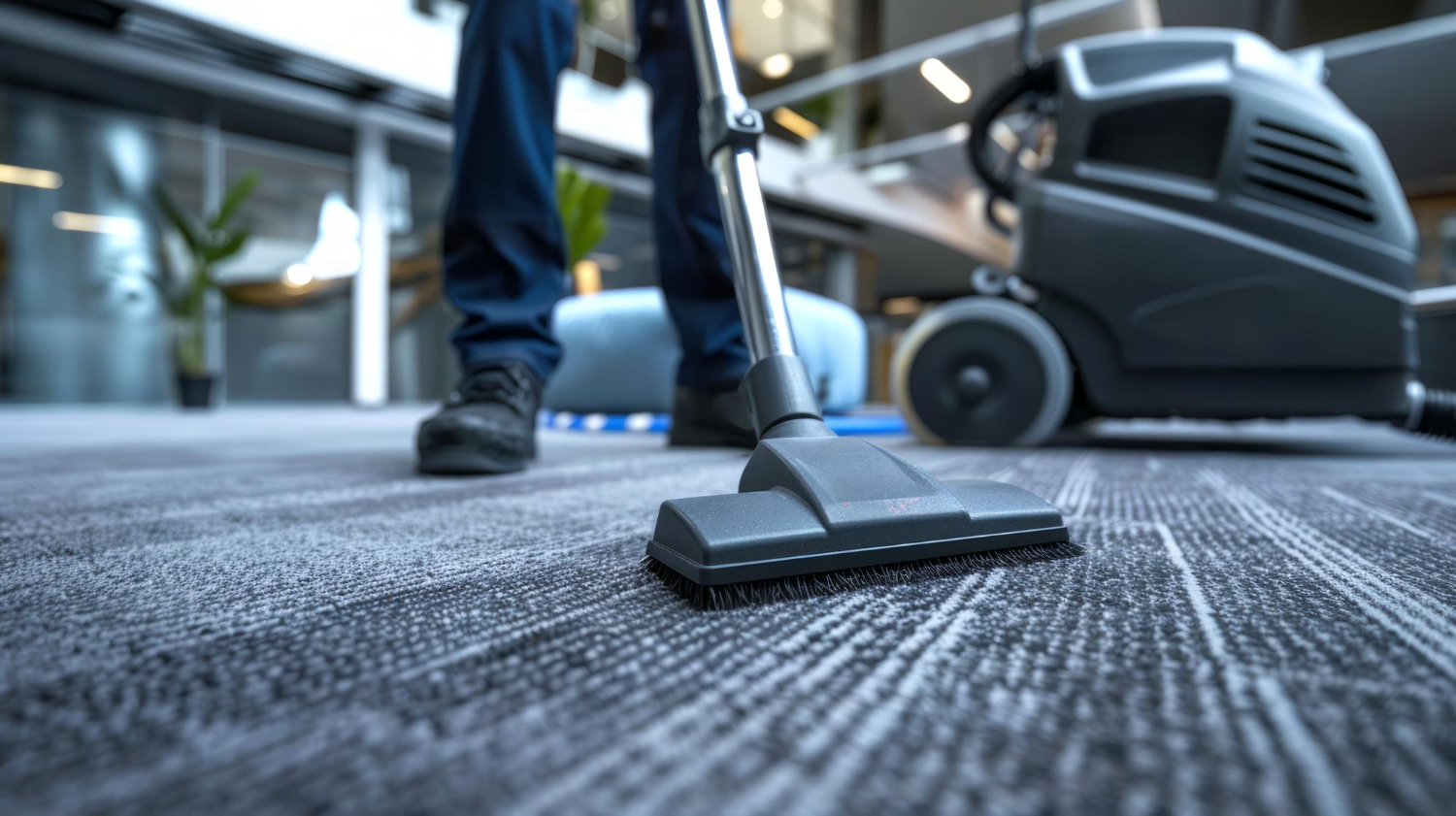
In charging bays, the least wet cleaning method is usually the safest option. Dry collection methods and controlled damp wiping can remove dust, packaging debris and minor floor residue where the risk assessment allows it. Water near chargers, leads and electrical outlets needs strict control.
High pressure cleaning, hose washing and ride-on scrubbers should not enter the charging zone unless the area has been isolated, electrical equipment is protected and the documented method confirms it is safe. Cleaning water must never be directed toward electrical equipment, floor penetrations or stormwater drains.
For suspected lead acid residue, we follow the approved spill response process rather than trying an improvised neutralising method. Our crews use only the products, dilution rates, containment materials and disposal steps approved in the SWMS, Safety Data Sheet and warehouse procedure.
Cleaning teams should also avoid shifting chargers, battery stands or electrical leads to make access easier. If an obstruction prevents safe cleaning, the supervisor should arrange for the authorised site contact to manage it first.
How Should Spills And Contaminated Waste Be Managed?
Routine dust and debris can be managed through the normal cleaning process. A suspected electrolyte spill is different. Battery acid, an unknown liquid, a leaking battery casing or contaminated absorbent requires area control, suitable PPE, spill kit use and escalation under the site emergency and hazardous chemical procedure.
Our teams prevent contaminated material, wash water and neutralised residue from entering drains. The facility manager should confirm waste classification, containment, labelling and disposal requirements against NSW EPA expectations and the waste contractor’s acceptance criteria before waste leaves the site.
A controlled response should include records such as:
- An incident report and corrective actions.
- Photographs where site rules permit them.
- Waste collection and disposal documentation.
- Spill kit replenishment records.
- Confirmation that the bay was inspected before reopening.
Lithium ion battery damage is never routine cleaning work. Smoke, heat, swelling, unusual odour or visible casing damage means immediate exclusion and escalation. Cleaning can only restart when the site’s authorised response process confirms the area is safe.
How Can Supervisors Reopen A Battery Bay Safely?
Before reopening the bay, we check that floors are dry, access paths are clear, chargers appear visually intact and ventilation is operating. Spill controls should only be removed after approval, and all waste must leave through the approved process.
Supervisors should record the completed inspection and tell forklift operators when the bay is available again. A documented cleaning method, current SWMS and clear escalation rules help keep charging bays operational without exposing workers to avoidable electrical, chemical or vehicle movement risks.
Reduce Charging Bay Downtime Safely
White Spot Group can help warehouse teams establish practical cleaning scopes that support WHS controls, waste handling and operational access requirements. Our industrial cleaning in Sydney service is suited to facilities managing battery residue, floor contamination and high-traffic vehicle areas. For a site-specific discussion, contact us to review your cleaning requirements.