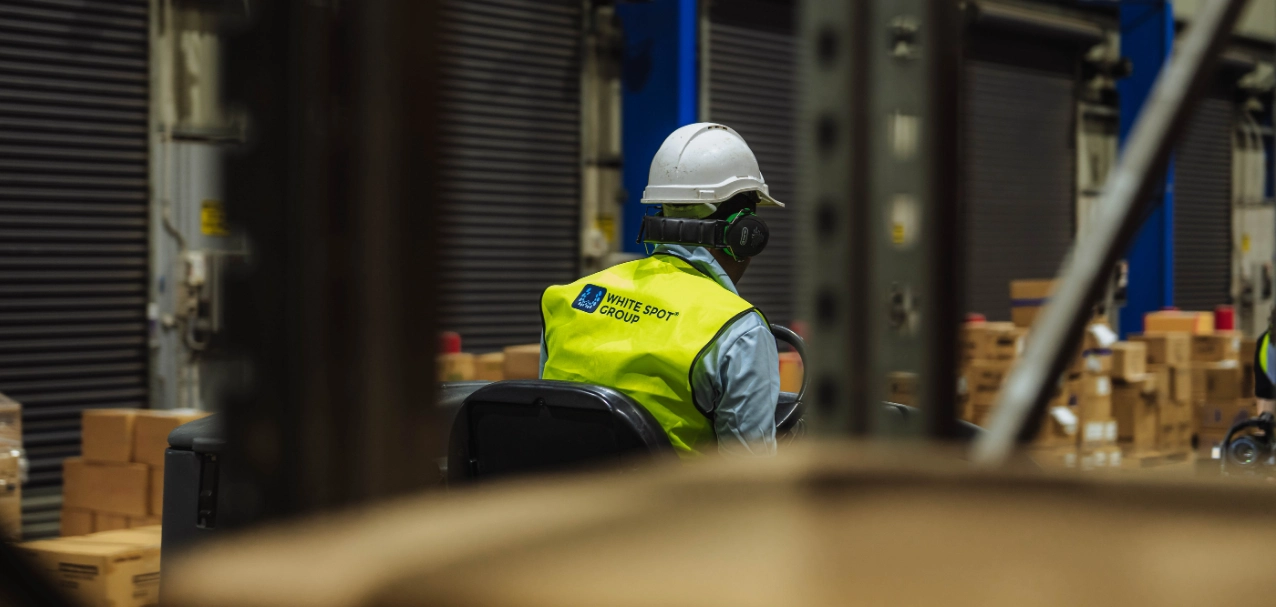
Warehouse cleaning in a live logistics site is not about shiny floors. It is about keeping people alive and product moving without incident. When cleaning crews work around forklifts, racking and dock edges, every task becomes part of the warehouse’s WHS critical controls, not just a housekeeping job.
Across industrial, logistics and government sites, HSRs consistently report similar near misses: cleaners stepping into traffic aisles, slips on wet floors in pick zones, and work at height done from pallets instead of proper access equipment. A warehouse WHS risk register is the backbone that keeps these tasks controlled. When it is built properly and linked to cleaning contracts, SWMS and training records, it becomes a daily tool instead of a file that only appears at audit time.
When Cleaning Work Becomes a WHS Critical Control
Cleaning becomes a WHS issue whenever it changes how people, plant and product interact. Scrubbing an aisle or cleaning a dock can alter surface friction, visibility, traffic flow and fall exposure within seconds.
Risk hot spots where cleaning and operations intersect typically include:
• Forklifts and pedestrians sharing aisles with ride-on scrubbers
• Racking where dusting or spill clean-up pushes staff to reach above shoulder height
• Dock edges where cleaners work close to reversing vehicles or open levellers
If these tasks are treated as low risk domestic work, they are often under-controlled and generate incidents. When they are classified and managed as WHS critical controls, they are subject to the same planning, supervision and verification as other high-risk activities on site.
Building a Warehouse Cleaning WHS Risk Register That Holds up in Audit
A risk register for warehouse cleaning must withstand scrutiny from regulators, insurers and internal audit. At minimum, each line item should record:
• Hazard description and the task that exposes workers to it
• Risk rating before controls, using the site’s standard matrix
• Existing controls and any additional controls required
• Responsible person, review frequency and link to the relevant SWMS
To align with WHS Regulations and ISO 45001 and ISO 9001 requirements for documented information, document control is as important as the content. Version numbers, approval signatures, review dates and links to training records demonstrate that the register is current and that controls are implemented and monitored.
The most accurate registers are built on site. Facility managers, HSRs, logistics supervisors and cleaning supervisors should walk the warehouse together, stand at live forklift crossings, dock doors and racking aisles, identify the actual tasks and agree on controls. Copying a generic template rarely reflects how a specific site operates and often fails under regulator questioning.
Forklift Interfaces and Cleaning Teams Working in the Same Aisles
Forklift interfaces are among the highest-risk areas for warehouse cleaning services in Australia. Common hazards include:
• Ride-on scrubbers operating in live forklift aisles
• Line marking and pedestrian crossings obscured by grime
• Wet floors in high-speed travel paths and turning areas
• Manual spot cleaning near blind corners, end-of-aisle racks and doors
Controls that work in practice are typically integrated into a formal Traffic Management Plan. These often include:
• Time-based lockout windows where forklifts are excluded from aisles being cleaned
• Physical exclusion zones and signage around wet areas
• Radio protocols so cleaning staff and drivers communicate movements
• Mandatory hi-vis, site-specific PPE and flashing beacons on ride-on equipment
These measures should then be embedded through SWMS, toolbox talks, contractor and visitor inductions and KPI reporting. Leading indicators may include attendance at pre-start briefings or percentage of cleaning tasks completed inside agreed lockout windows. Lagging indicators may track near misses, contacts with bollards or reports of contaminated or obscured line marking.
Racking, Working at Height and Cleaning the Hard-to-Reach Areas
Racking introduces hidden risks when cleaning reaches above shoulder height or into pallet bays. Typical hazards observed across sites include cleaners:
• Standing on pallets or forks to dust or remove cobwebs
• Disturbing damaged uprights or bracing during cleaning
• Dislodging cartons, shrink wrap or loose items from high levels
Controls that comply with WHS Regulations for work at height are straightforward but must be enforced through the contract and SWMS. For example:
• Only using EWPs or approved access equipment with trained and authorised operators
• Setting exclusion zones at ground level below any work at height
• Conducting pre-start visual checks on racking near the work area
• Stating a clear “no cleaning from forklifts or pallets” rule in both the SWMS and service agreement
Cleaning frequencies should be planned around trading patterns and environmental conditions. That can mean scheduling high-level dusting during shutdowns, adjusting work around inventory changes or increasing cleaning in seasons when pollen or external dust loads are higher, supported by inspection data.
Dock Edges, Load Plates and Keeping the Inbound Lane Safe
Docks and load plates combine slip, trip and fall hazards with mobile plant risks. Cleaning alters surface friction at exactly the point where people and vehicles move between ground level and trailers. Key risks include:
• Slips on oil, coolant and grease around dock levellers and approaches
• Falls from dock edges or open levellers during cleaning
• Line marking and safety symbols obscured by dirt or tyre residue
• Cleaners working behind reversing trucks or forklifts with limited visibility
Effective contract controls usually combine engineered and administrative measures:
• Lockout or tag-out of dock levellers during cleaning tasks
• Wheel chocks and traffic light systems agreed with transport operations
• Physical barriers, chains or rails at any open dock edges during work
• Mandatory spotters for any cleaning task near an open edge or live reversing zone
These controls should appear in the risk register, SWMS, induction scripts and pictorial SOPs fixed at dock doors. Supervisors or facility managers can then verify them with periodic checks, documented inspections and joint reviews with the contractor.
Contract Controls, Seasonal Pressures, and Live Risk Registers
Paper controls are ineffective if there is no evidence that they were followed. After an incident, regulators and insurers typically look for documentation such as:
• Contractor sign-in logs showing who was on site and when
• Pre-start checklists for scrubbers, EWPs and other equipment
• Records of SWMS briefings and toolbox talks linked to specific tasks
• Maintenance histories for critical cleaning equipment
WHS obligations should sit inside the cleaning contract, not beside it. Robust contracts set safety KPIs, require regular joint inspections, define incident reporting timeframes and escalation paths, and specify that current SWMS and training records will be available on request and at audit.
Seasonal peaks, such as stocktakes or flu season, compress maintenance windows and introduce temporary staff who may not know the site. A provider with mature systems adjusts staffing levels, task frequencies and controls so that cleaning is not pushed into unsafe time slots. That can include increased spill response coverage, tighter control of wet floor areas and refreshed inductions before peak throughput periods.
Facility managers should treat the warehouse cleaning risk register as a live tool. Use it in pre-starts, contractor meetings and inspections and verify that the listed controls match what occurs in the aisles and docks. For high-risk interfaces like forklifts, racking, and docks, challenge current or prospective providers with questions such as:
• How do you separate cleaning plant from forklifts in live aisles?
• What access equipment and training do you use for high-level cleaning?
• How do you control work near dock edges and open levellers?
From there, conduct a joint site walk, compare the SWMS to the actual tasks and update contract controls so they can withstand the next audit, inspection or incident review.
Put WHS Warehouse Cleaning Controls Into Practice Now
If your risk register lists forklifts, dock edges and racking but your cleaning contract does not, you have a gap that needs closing. Our warehouse cleaning services in Australia are built around ISO-certified systems, SWMS, and evidence-based controls that align with your site procedures. If you want us to review your current scope against your high-risk tasks, or schedule a WHS-focused warehouse clean, contact us and we will go through it with you in detail. White Spot Group works on live industrial and logistics sites every day, so we know how to clean around plant, pedestrians and production without adding risk.