How Does The Right Access Window Protect Office Operations?
The access window for commercial cleaning in Auckland is an operational decision, not just a preference for daytime or night work. The schedule needs to protect staff productivity, contractor safety, building security and the standard of presentation expected in reception areas, meeting rooms, kitchens and amenities.
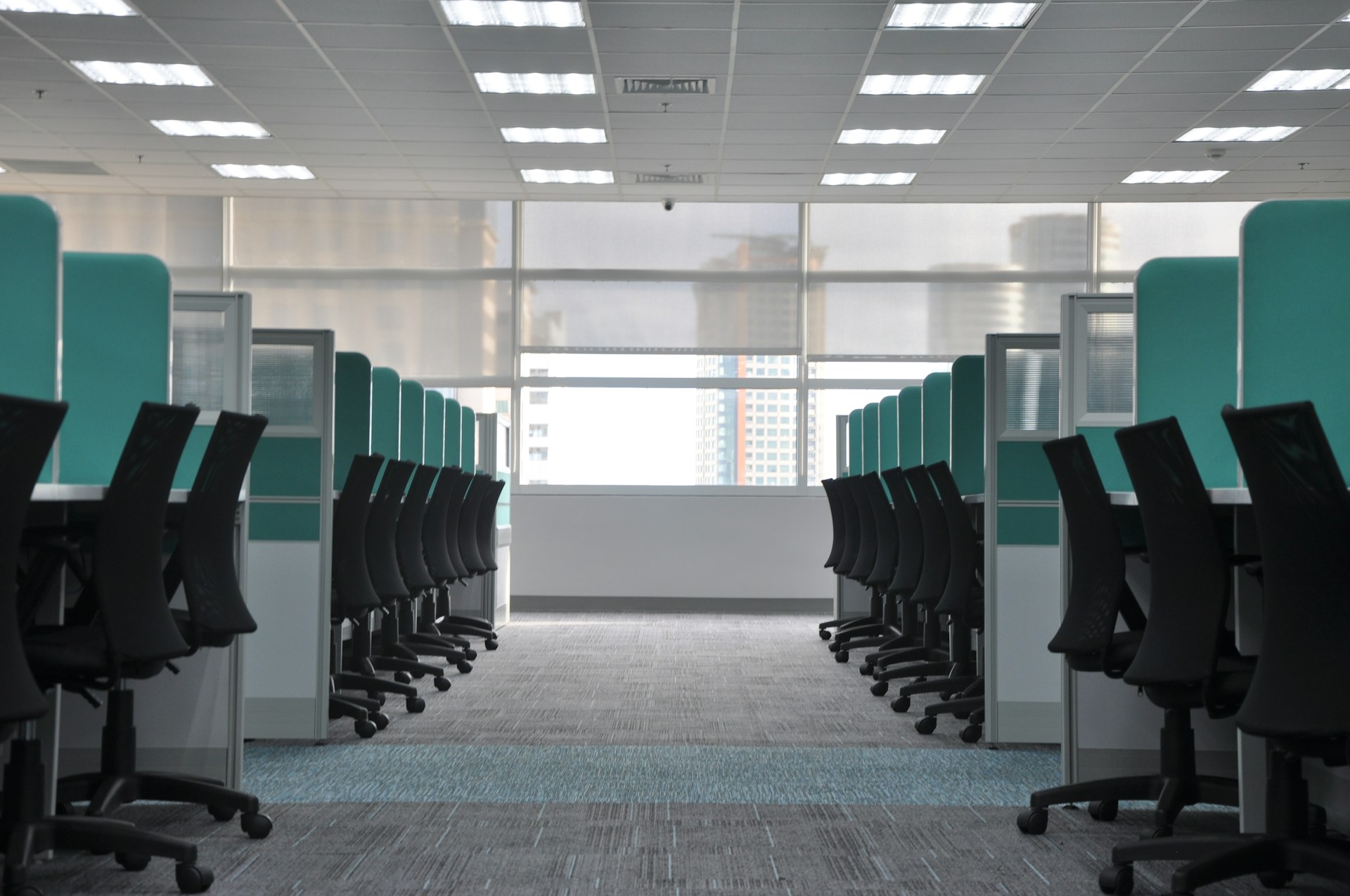
We review access against the actual rhythm of the office. A low-occupancy workplace may accommodate daytime cleaning well, while a fully occupied tenancy can create congestion around lifts, shared workstations and busy common areas.
During Auckland’s spring months, wet commutes can quickly affect entryways and lift lobbies. September also brings pollen onto external-facing surfaces, so we may recommend more frequent entrance checks and hard-floor inspections where conditions call for them.
What Does Daytime Commercial Cleaning In Auckland Require?
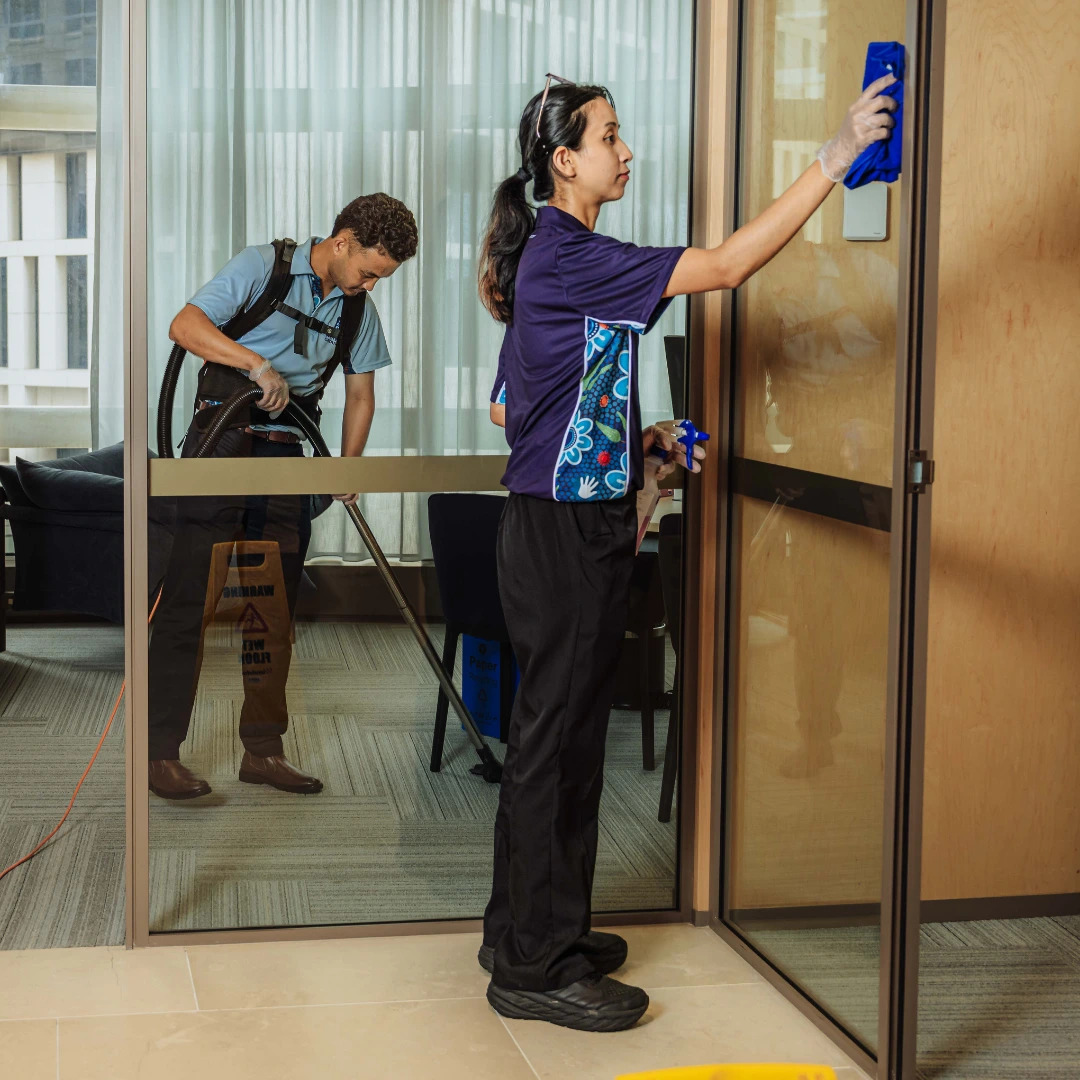
Daytime cleaning is often practical in corporate offices with staggered work patterns, serviced office settings and customer-facing workplaces. It gives our teams a chance to respond to spills, replenish amenities and attend to high-touch areas while the workplace is operating.
This model works best when cleaning activity is planned around meetings, meal breaks and visitor traffic. Reception and facilities staff should know who is on site, what work is underway and how issues will be escalated.
Before entering occupied spaces, we confirm controls such as:
- Site induction and signed-in access procedures
- Defined work zones and clear team identification
- Communication channels with reception or facilities personnel
- Escalation steps for spills, hazards, damage or security concerns
- Access requirements for amenities, kitchens and shared spaces
Occupied cleaning also requires task-specific safety planning. Wet floor signs, safe equipment positioning, cable management, chemical Safety Data Sheets and SWMS should be in place before work begins.
Under New Zealand’s Health and Safety at Work Act 2015, worker and visitor safety duties cannot be handled informally. Our teams need clear instructions about restricted areas, emergency processes and how to separate active cleaning work from office traffic.
When Does After-Hours Access Suit Auckland Offices Best?
After-hours cleaning can suit offices where equipment noise, floor care or detailed cleaning would interrupt staff and clients. Once employees have left, our teams can move through open-plan work areas, boardrooms, kitchens, amenities and circulation spaces with fewer interruptions.
This access model can also support tasks that need uninterrupted time, such as hard-floor cleaning or work in busy shared areas. The aim is to leave the workplace ready for the next business day without competing with active office operations.
Security arrangements need to be clearly documented for cleaning outside normal hours. Facilities teams should confirm:
- Access-card permissions and restricted-area protocols
- Alarm instructions, key registers and sign-in records
- Lone-worker arrangements and emergency contacts
- Fault reporting and unauthorised-access procedures
- Base-building security patrol and building management requirements
After-hours access has its own limitations. In multi-tenant CBD buildings, loading docks, lifts, waste rooms and building support may have limited operating hours, while noise rules can restrict when certain equipment is used.
A workable schedule accounts for these conditions from the start. It should allow enough time for access, cleaning, waste handling, quality checks and secure exit, rather than assuming the available window is all productive cleaning time.
Which Controls Protect People During Occupied Cleaning?
A documented site plan helps us separate cleaning activity from normal office movement. It identifies higher-risk zones, including wet entryways, kitchens during meal breaks, busy amenities, printer stations, stairwells and corridors between meeting rooms.
Cleaning methods should suit the environment. Low-noise equipment, controlled chemical dispensing, warning signage and staged task sequences can reduce disruption while keeping agreed cleaning standards in place.
For example, it may be safer to clean one side of a corridor at a time, rather than restrict the whole route. Similarly, amenity servicing can be timed around peak use so cleaners and employees are not competing for the same space.
Quality assurance is part of the control process, not a separate administrative task. Our quality-control systems rely on site documentation, training records, inspection results and corrective actions that can be reviewed when needed.
Supervisors should record completed tasks, identify anything outside scope and report issues that may affect the workplace. That gives facilities teams a clear view of whether the service schedule still matches the conditions on site.
How Should Facilities Teams Compare Access Risks?
Neither daytime nor after-hours commercial cleaning in Auckland is automatically lower risk. Daytime access can shorten the time between a spill or amenity issue and corrective cleaning, while after-hours work can allow broader coverage without staff moving through the same areas.
When comparing access models, we recommend looking at the full operating picture:
- Workplace occupancy and peak movement periods
- Required cleaning frequency and response expectations
- Disruption to meetings, visitors and focused work
- Building access windows, lifts and loading dock rules
- Security arrangements and the risk of unfinished work affecting the next day
The final decision should be recorded in the cleaning scope and service schedule. This document should define access hours, exclusions, contacts, priority responses, inspection frequency and the process for changing windows during office moves, events, peak periods or seasonal weather changes.
What Should You Confirm Before Setting The Cleaning Schedule?
Start with a walkthrough of reception, work areas, meeting spaces, kitchens, amenities, lift lobbies and entry points. Confirm when each area is occupied, who controls access and which tasks can safely occur during business hours, then document inductions, emergency contacts, access cards, alarm instructions, SWMS, Safety Data Sheets, incident reporting and base-building rules.
Review the arrangement after it is in place using inspection outcomes, staff feedback, service reports and recorded incidents. A cleaning schedule should change when occupancy, tenancy requirements or seasonal conditions change, rather than remain fixed simply because it worked when the office first opened.
Maintain Cleaning Access Without Disrupting Operations
White Spot Group can scope commercial cleaning in Auckland around your access windows, security protocols and workplace activity. Our team documents site-specific procedures so cleaners, building management and occupants understand who can access each area and when. To discuss a schedule suited to your corporate office, contact us for a site assessment.