How Does Safe High-Pressure Cleaning Keep Port Assets Working?
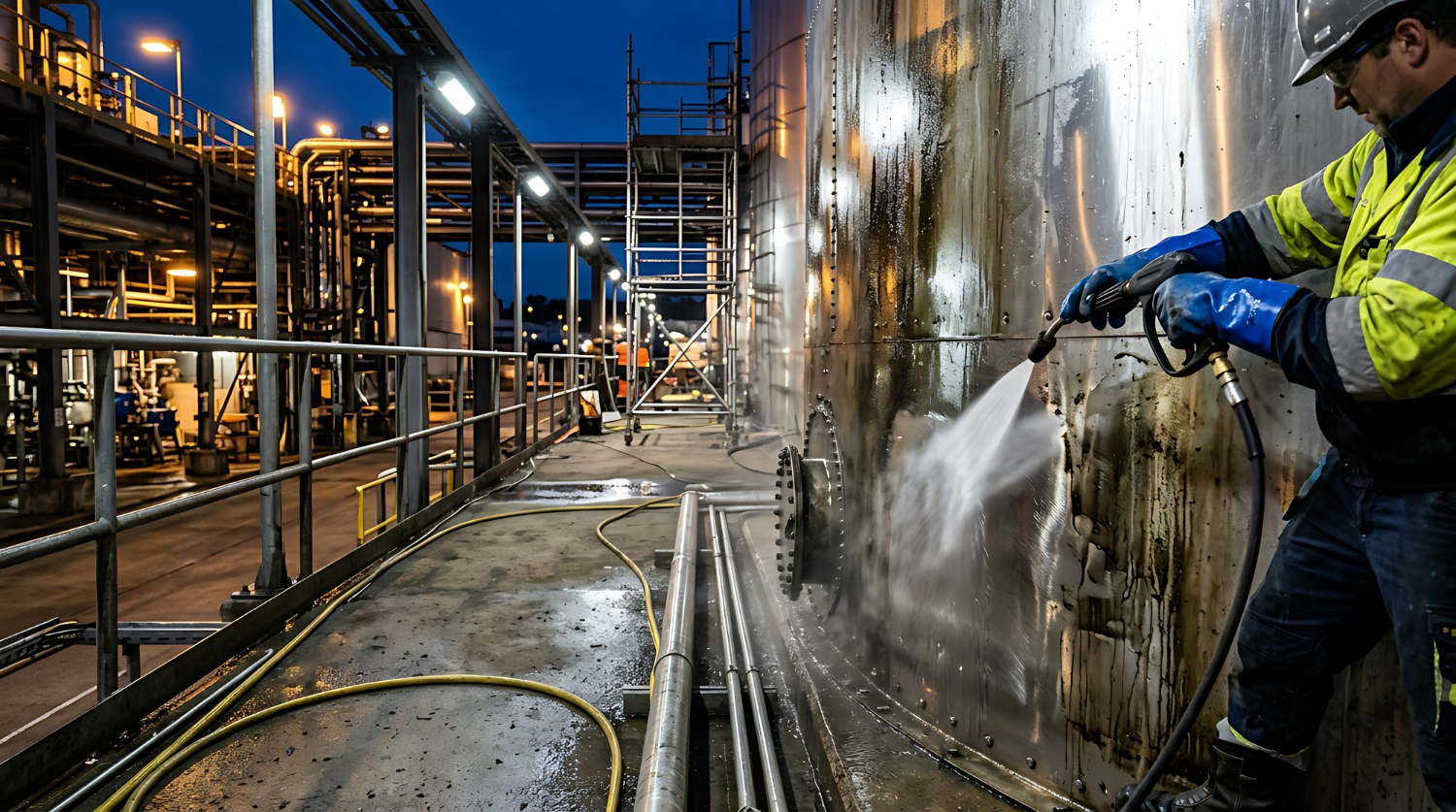
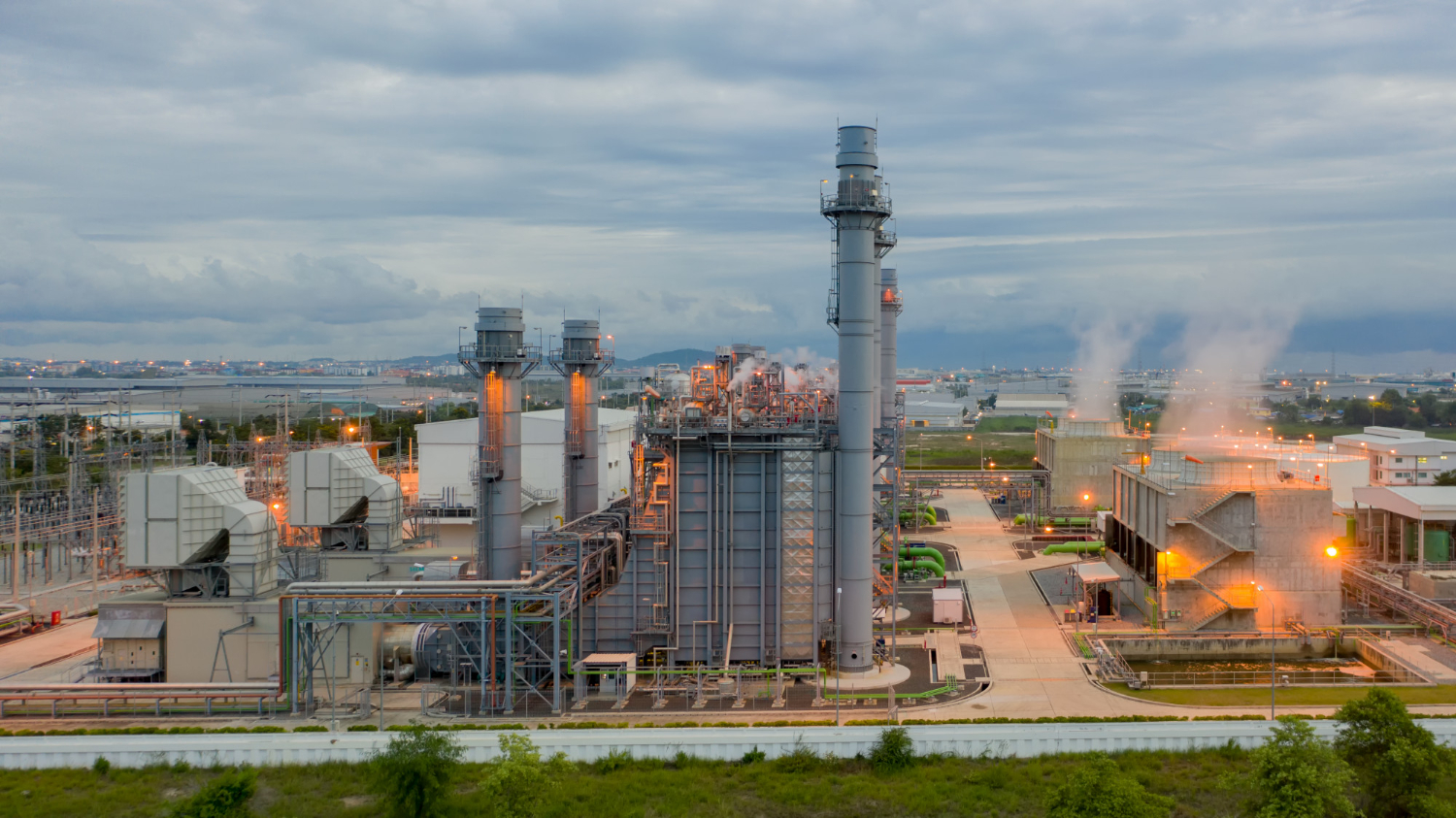
High-pressure cleaning services at Port of Brisbane industrial sites need to protect both the asset and the operation around it. We plan this work for hardstands, loading zones, warehouse aprons, processing areas, plant rooms and external infrastructure, not as general commercial cleaning.
At White Spot Group Australia, our Specialist & High Pressure Services focus on removing salt residue, mud, product spills, compacted soil and operational grime without creating a new safety or pollution risk. Each job must follow the facility operator’s current access rules, environmental requirements, documented controls and manufacturer guidance for the surfaces and equipment involved.
Which Port Access Controls Must Crews Clear Before Work?
Before mobilisation, we confirm access arrangements with the facility manager, terminal operator or principal contractor. A port induction at one industrial facility does not automatically permit entry to another operator-controlled area.
Requirements can change by work area, shift and operating conditions. Depending on the site, crews may need pre-booked work windows, photo identification, visitor registration, competency evidence, vehicle approval or escorted access.
Our pre-start pack should match the approved work location and include:
- Current supervisor and emergency contact details
- Work-area maps, approved vehicle routes and assembly points
- Traffic controls, plant isolation requirements and site restrictions
- Equipment inspection records, chemical Safety Data Sheets and task-specific SWMS
Truck turnaround periods, container handling, forklift activity, loading operations and security-controlled zones can all affect when high-pressure cleaning can proceed. We confirm these constraints before equipment enters the site, rather than assuming a clear area will remain clear throughout the shift.
How Does WHS Planning Separate People, Plant And Traffic?
A pre-start assessment identifies the hazards specific to the cleaning task and work area. These can include high-pressure injection injuries, slip risks, hose trips, electrical exposure, manual handling, noise, airborne contaminants, unstable surfaces and interaction with mobile plant.
The work zone must be physically separated from workers, vehicles and active equipment. Depending on the location, we may use barriers, cones, controlled entry points, warning signs, hose management and agreed radio channels, supported by a traffic management plan where forklifts, reach stackers, prime movers or delivery vehicles operate nearby.
Workers must never clean around operating plant without agreed isolation and separation controls. Where isolation is required, authorised personnel must follow the site lockout and tagout procedure and confirm zero-energy status before work begins near conveyors, pumps, electrical equipment or processing machinery.
Our planning also covers first aid access, high-pressure injury response, spill response, communication failures and changing weather conditions. The Queensland Work Health and Safety Act 2011 and Work Health and Safety Regulation 2011 provide the legal framework, while each facility may impose additional contractor controls.
Which High-Pressure Cleaning Services Suit Port Surfaces?
Surface assessment comes before equipment selection. We identify the substrate, its condition, existing coatings, contamination type, drainage direction and nearby sensitive equipment, then complete a controlled test patch before treating a larger area.
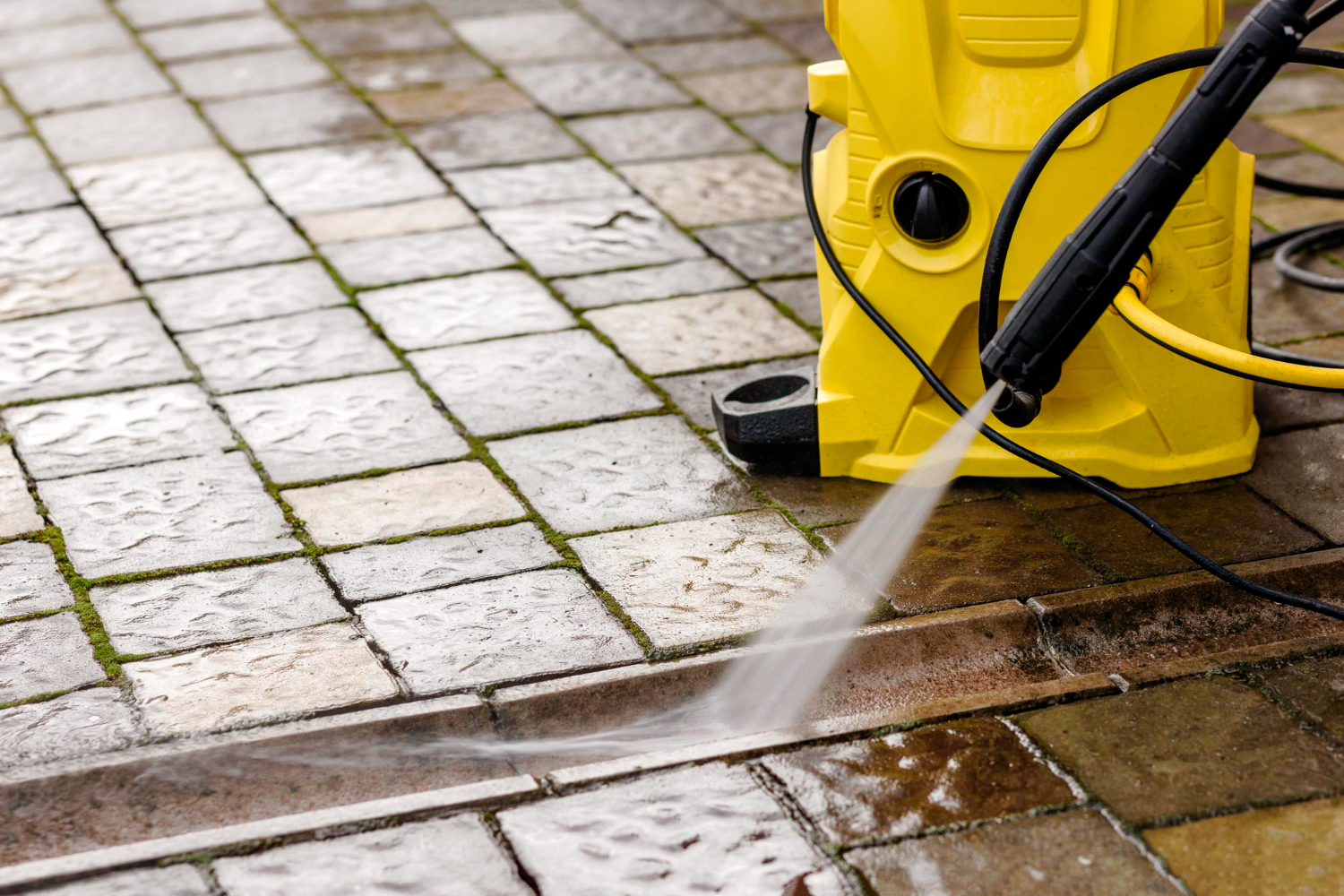
Concrete hardstands, loading docks and external walkways often collect tyre residue, dirt, salt deposits and operational grime. Pressure, nozzle selection and stand-off distance need to suit the surface so cleaning does not damage concrete, erode joints or push contaminants into drainage points.
Painted steel, galvanised structures, cladding and safety barriers require a different approach. Water pressure can lift failed coatings, expose corroded steel or force water into seams, bearings, electrical housings and control cabinets if the method is not suited to the asset.
Plant-adjacent cleaning needs particular care. Motors, switches, sensors, hydraulic components, conveyors and electrical infrastructure may require confirmed isolation, shielding or an alternative method where water ingress creates an equipment or safety risk.
How Are Runoff And SWMS Records Controlled On Site?
Runoff containment is planned before any high-pressure cleaning services begin. We review stormwater pits, grated drains, trade waste connections, bunded areas, drainage falls and low points where wash water could collect or leave the controlled zone.
The right containment method depends on the likely wash-water contaminants and the facility’s environmental management plan. Practical controls may include:
- Drain covers and temporary bunding
- Vacuum recovery and collection tanks
- Silt capture for sediment and fines
- Approved storage and collection arrangements for waste
Wash water must not enter stormwater drainage unless the facility has specifically approved that pathway. Waste records should reflect the contaminants present, which may include sediment, hydrocarbons, grease, product residue, metal fines or paint debris, along with the receiving contractor’s requirements.
A documented SWMS should set out the work sequence, hazards, controls, PPE, traffic arrangements, exclusion zones, equipment checks, runoff controls, emergency actions and worker sign-on. Queensland WHS law applies SWMS requirements to high-risk construction work, while industrial sites may also require task-specific SWMS through their contractor management systems.
How Can Facilities Prepare For September Cleaning?
A pre-work site walk with the facility representative helps us confirm the surfaces, work boundaries, active operations, access limits, shutdown needs, drainage controls and completion evidence. September is a practical time for South East Queensland facilities to review hardstands, access routes, loading areas and drainage points before wetter summer conditions increase the chance of contaminated runoff and slippery surfaces.
Keep a clear job record from start to finish: approved scope, access approvals, induction evidence, SWMS, traffic controls, equipment inspections, photos of existing surface damage, runoff controls, waste disposal records and completion sign-off. This gives your facility a clear record of how the work was controlled and which areas were completed.
Plan Safer Cleaning Around Port Operations
White Spot Group Australia plans high-pressure cleaning services around berth access, vehicle movements and operational shutdown windows at Port of Brisbane industrial sites. Our team can assess surface conditions, drainage controls and SWMS requirements before work is scheduled. High-pressure cleaning services can be scoped for hardstands, loading areas and industrial assets. To discuss your site requirements, contact us.