Can A Shutdown Window Deliver A Cleaner, Safer Restart?
Thorough high-pressure cleaning can create the right conditions during a shutdown, but only when it is planned as part of the maintenance program. We treat cleaning as a scheduled outage activity that must align with isolations, mechanical works, inspection hold points, waste handling and the return-to-service plan.
Australian and New Zealand facilities have different permit systems, asset conditions and process contaminants. Before we allocate people or equipment, we work with your shutdown team to define the scope, sequence access and prepare site-specific SWMS or equivalent risk documents that reflect actual conditions.
What Information Defines The Cleaning Scope?
A pre-shutdown site walkdown should happen before high-pressure cleaning services are booked into the outage schedule. We recommend including the maintenance planner, area owner and cleaning supervisor so the scope is based on what is present on site, not assumptions made from a drawing or prior shutdown.
Walkdown records should cover the assets, surfaces, contaminants, access routes, drainage points, nearby equipment and process constraints. This gives us a clear work pack before hoses, pumps and crews arrive.
Measurable requirements should be set out in the scope, including:
- Pressure and flow requirements for each work area
- Nozzle selection, stand-off distance and cleaning coverage
- Wastewater capture, drainage controls and disposal arrangements
- Protection for electrical equipment, instruments, bearings and sensitive surfaces
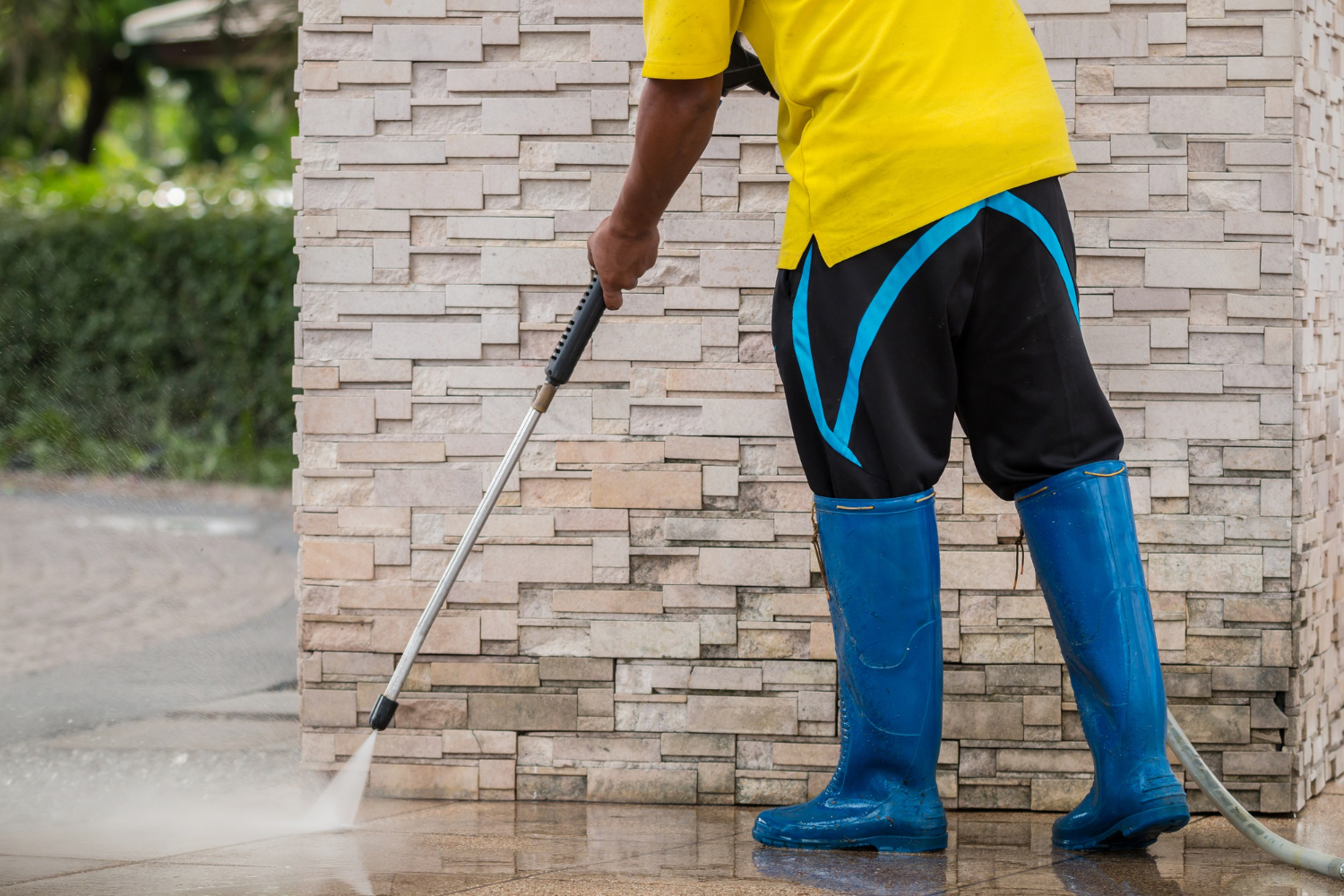
Routine washdown and specialised water jetting should not be treated as the same task. Where higher pressure, difficult residue, restricted access or a greater injury risk is involved, we plan the method, exclusion zones and emergency controls to suit that specific work.
Acceptance criteria also need agreement before the shutdown starts. We set inspection points, residue removal expectations, photo requirements where useful, post-cleaning checks and the person authorised to release each area for the next maintenance activity.
How Should High-Pressure Cleaning Services Be Scheduled?
Scheduling should be built backwards from mechanical completion and commissioning dates. We generally schedule high-pressure cleaning services after work that may create dust, swarf, scale or fresh process residue, while leaving time for inspection, drying, waste removal and any remedial work.
Starting cleaning too early can mean repeating the same work after fitters, scaffold crews or inspection teams return to the area. Cleaning too late can hold up access, inspections or recommissioning.
Daily shutdown meetings help us confirm the changing status of each work zone. They should identify where cleaning can begin, which areas remain isolated, and where overlapping work would create a conflict.
Typical interfaces include:
- Scaffold installation and removal
- Mechanical repairs and component replacement
- Electrical contractor access and testing
- Inspection hold points and condition assessments
- Waste contractor collections and wastewater management
August shutdowns also need practical weather planning. Winter rain, wind, reduced daylight, wet walking surfaces and limited drainage capacity can affect outdoor work across many Australian and New Zealand sites.
Local weather contingencies, alternate work areas and clear stop-work triggers should be included in the outage plan. This helps supervisors make a timely decision when conditions change rather than pushing crews into an unsafe or unproductive work area.
What Access Controls Are Needed In Shutdown Areas?
Mapped work zones are the starting point for access controls. Before mobilisation, we work with your site team to identify controlled entry points, pedestrian routes, vehicle movements, hose runs, exclusion zones, emergency exits and the boundaries between cleaning activities and adjacent maintenance work.
Unplanned hose runs can quickly become a trip hazard or block an access route around other shutdown trades. The route also needs to account for vehicle traffic, overhead work, restricted visibility and the location of emergency equipment.
Permit-to-work requirements, lockout and tagout processes, plant isolations and area releases must be confirmed before cleaning begins. We do not assume an area is safe because it appears inactive.
Near live electrical equipment, moving plant, process lines or stored energy, water jetting requires controls agreed with the site representative. These controls may include physical separation, equipment protection, isolation confirmation and a defined release process before the crew enters.
Practical supervision matters throughout the shift. We establish sign-in requirements, communication channels, spotter arrangements where traffic or visibility creates risk, and a clearly understood emergency shut-off process.
Confined spaces, work at height or restricted-access areas require cleaning to be coordinated with the relevant entry permits and rescue arrangements. The cleaning team should never operate separately from the site’s wider control system.
What Must A Shutdown SWMS Address?
Under the model WHS Regulations, regulation 291 requires a SWMS for high risk construction work, with each Australian jurisdiction applying its own enacted WHS or OHS legislation and regulations. High-pressure cleaning is not automatically high risk construction work, so the PCBU or principal contractor must determine whether the planned work meets the applicable jurisdictional definition and any site contractor-document requirement.
In New Zealand, the Health and Safety at Work Act 2015 requires PCBUs to eliminate or minimise risks so far as is reasonably practicable under section 30, supported by the Health and Safety at Work (General Risk and Workplace Management) Regulations 2016. A task analysis, JSA, permit or site-specific method statement may be required by the facility’s health and safety system, so the required format should be confirmed before the shutdown.
High-pressure cleaning services should address hazards such as hose failure, water injection injuries, uncontrolled spray, slippery surfaces, noise, contaminated wastewater, electrical exposure, mobile plant and restricted spaces. PPE is only one part of the control approach.
Method statements should also cover:
- Pressure-rated equipment inspections and pre-start checks
- Hose restraints where specified by the site or equipment requirements
- Exclusion zones, barriers and controlled access points
- Communication protocols, isolations and emergency response actions
SWMS documents are not documents to sign once and set aside. We review them during pre-start meetings and whenever site conditions change.
Changes to a work area, altered access route, changed contamination profile or overlapping trade activity can invalidate the original assumptions. Updating the document and briefing the crew keeps the controls connected to the work being done that day.
How Can Clear Scope Control Reduce Shutdown Risk?
White Spot Group can align cleaning scopes, access requirements and SWMS documentation with your shutdown program before mobilisation. Our high-pressure cleaning services support industrial assets where contamination, restricted access and restart deadlines require controlled execution. Contact us to discuss the work areas, isolation requirements and acceptance criteria for your next outage.