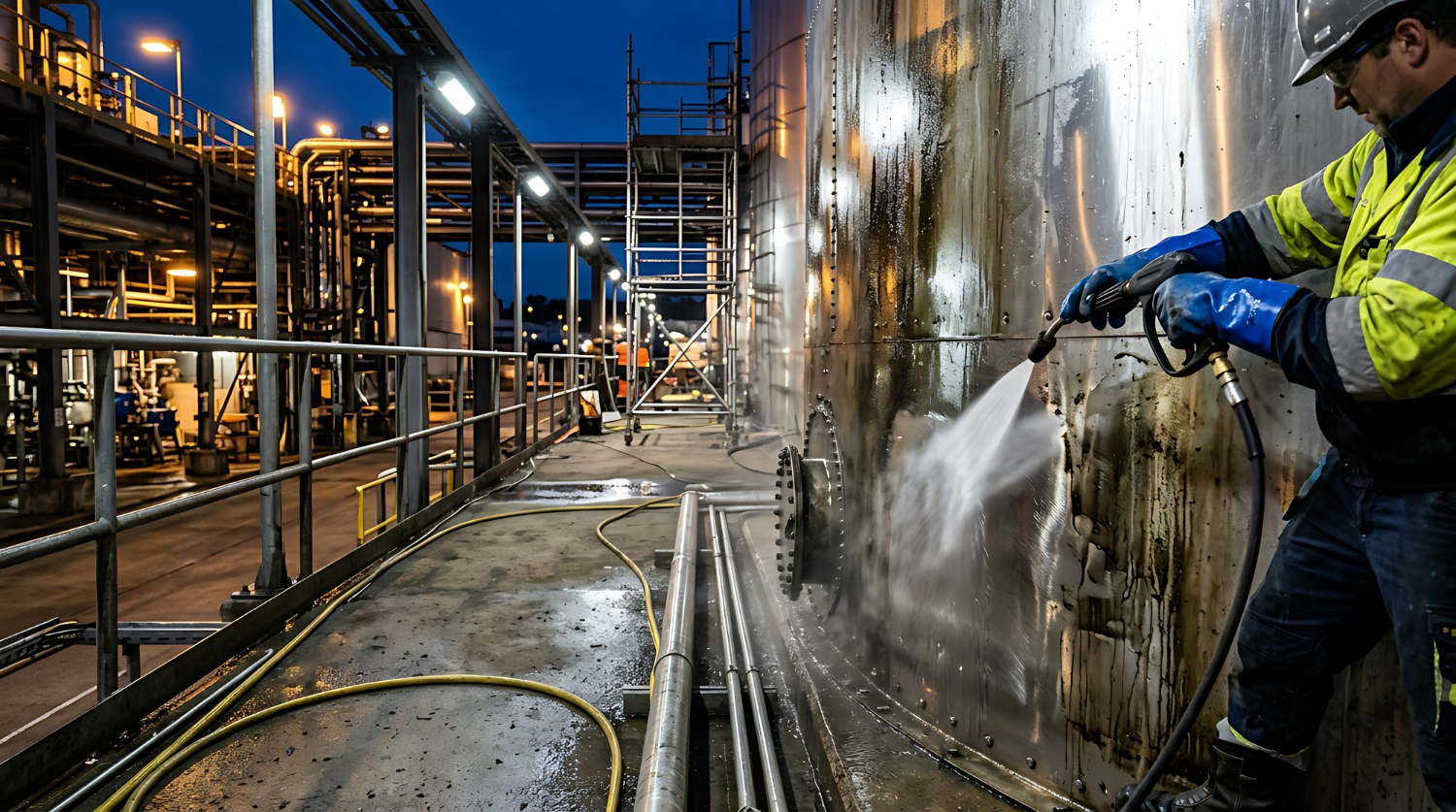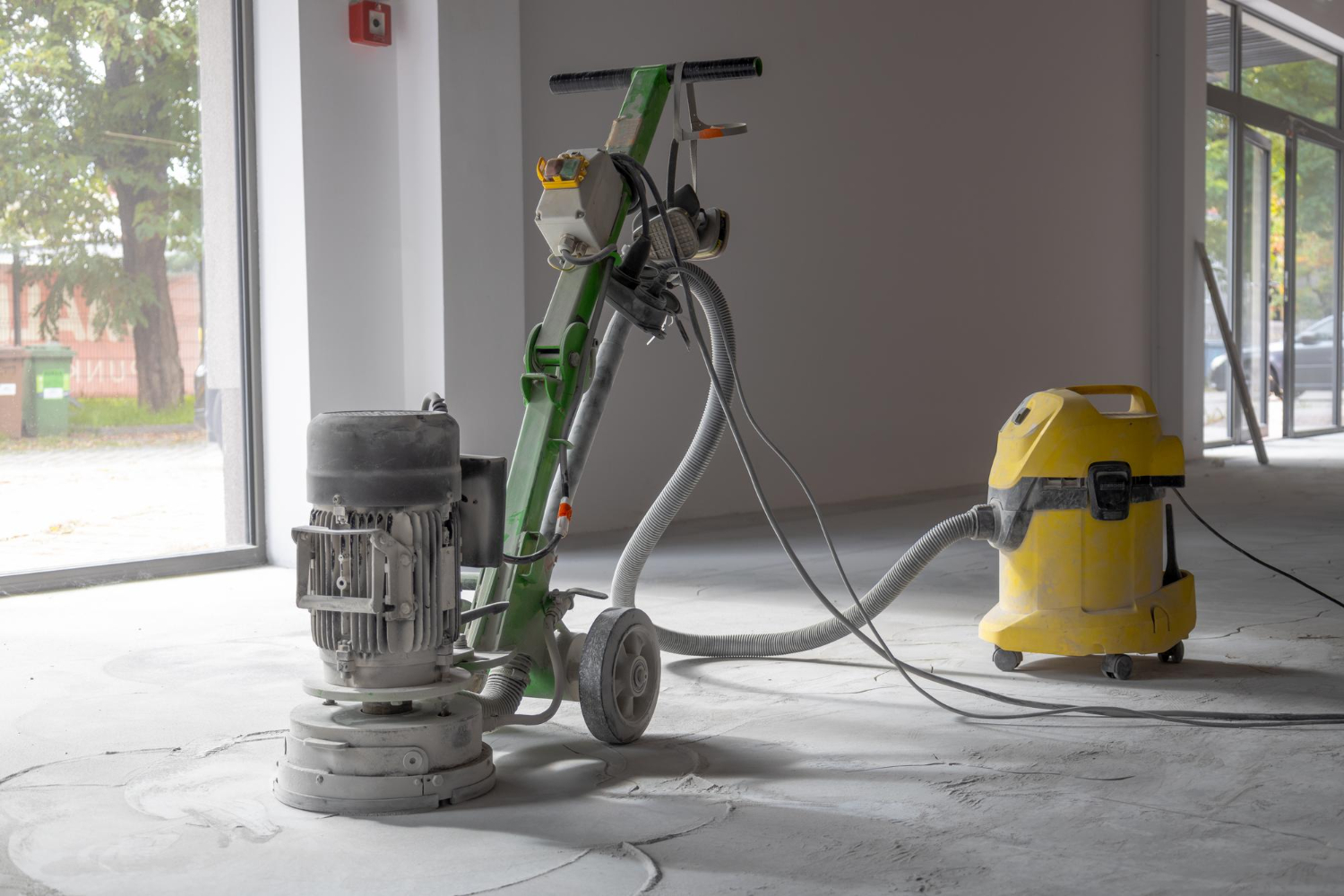
Post-construction cleaning is the point where a completed fitout becomes a workable office. Before staff, furniture and facilities teams move in, we remove construction dust, residue, protective materials and agreed waste so each space can be properly inspected.
For Melbourne CBD offices, this work also needs to fit around building rules, limited access and handover deadlines. Our End of Build & Construction Cleaning service follows the fitout programme so cleaning supports the builder’s work rather than hiding unfinished items.
How Does A Clean Handover Protect Melbourne CBD Office Moves?
A builder completing the final trade package does not always mean an office is ready for occupation. Dust can remain in joinery tracks, adhesive can sit on glazing, and packaging or protective film may still be present across tenant and shared areas.
We begin by confirming the handover boundaries with the builder, project manager and facilities team. This identifies which areas remain under builder control, which areas are ready for cleaning, and when occupation-readiness checks can start.
In a CBD building, access planning is part of the cleaning scope. We work around building management requirements, including:
- Loading dock booking times and delivery movements
- Goods lift rules, lift protection and access restrictions
- Approved work hours, including after-hours arrangements
- Access to tenant floors, lobbies and base-building interfaces
Cleaning scopes should align with drawings, room data sheets, finishes schedules and handover milestones. This gives your project team a clear record of what is to be cleaned and helps prevent unnecessary rework after a trade returns to an area.
What Does Post-Construction Cleaning Cover Before Handover?
Post-construction cleaning is usually staged as a builders clean, a detailed handover clean and a final presentation clean. Each stage has a different purpose, and cleaning too early can leave freshly cleaned surfaces exposed to further dust, touch-up paint and trade traffic.
Our scope for corporate offices and commercial sites can include high and low-level dust removal, internal glazing, frames, doors, joinery, workstations, ledges, skirting and floor finishes. We also address amenities, kitchens, plant-adjacent spaces and waste removal where it forms part of the agreed works.
Different materials require different cleaning methods. Natural stone, polished concrete, timber, vinyl, carpet tiles, stainless steel, glass and specialist coatings should be assessed against the specified finish before any product or tool is used.
During the detailed clean, we check for common fitout residues such as:
- Silicone smears, labels and adhesive residue on glass
- Paint overspray and plaster dust on finished surfaces
- Grout haze or scuffing on hard floor finishes
- Protective-film remnants on joinery, fixtures and appliances
- Dust inside drawers, cupboards, hinges and ventilation cut-outs
If a mark cannot be safely removed without risking damage, we record it for builder or trade direction. Cleaning should never become an attempt to repair defective work.
How Should Staged Cleaning Follow A CBD Fitout Programme?
Staged cleaning keeps completed zones visible as the fitout moves forward. This matters on Melbourne CBD projects, where several trades may share a floor and access windows can be short before the planned office move.
The first stage generally begins once heavy trade activity has reduced. We remove loose debris, construction waste and broad dust so follow-on trades have safer access and the project team can identify visible issues more clearly.
A second stage follows substantial completion of joinery, glazing, flooring, electrical fit-off and amenities works. At this point, detailed cleaning can address surfaces that were not practical to finish while active installation was still underway.
The final presentation clean should happen as close as practical to handover or occupation. Before commencing, we confirm with the builder that defect rectification, touch-up works and remaining trade access have finished in the relevant zone.
Spring conditions can also affect final timing in Melbourne. Wet footwear, wind-blown debris and pollen may affect entry areas, glazing and freshly cleaned hard floors, so we consider access routes and external conditions when planning the last clean.
Which Defects And Residues Can Delay Office Occupation?
Not every visible issue is a cleaning issue. During an end of build clean, our teams can identify items that need builder review, including scratched glazing, chipped joinery, damaged flooring, missing covers, incomplete sealant and materials left in cupboards or service spaces.
A systematic residue check helps separate removable marks from defects. We inspect glass for paint, mortar, silicone and labels, hard floors for adhesive or grout haze, and joinery for dust in tracks, drawers, hinges and cut-outs.
Where issues are found, we record the location, affected surface and issue type within the agreed project process. This gives the builder or project manager the information needed to coordinate rectification before final cleaning, rather than sending cleaners repeatedly into areas still under repair.
How Do WHS Controls Govern CBD Cleaning Works?
WHS controls must reflect the actual condition of the site, not the finished office shown on the drawings. Before each stage, we review induction requirements, SWMS, emergency procedures, exclusion zones, hazardous materials information and any permit-controlled activities relevant to our scope.
CBD cleaning works need particular attention around goods lifts, loading dock traffic, manual handling and separation from public areas. After-hours entry can also require clear access arrangements, communication with building management and confirmation of who is responsible for site control.
Documented processes support site coordination, while site-specific controls remain central to safe work. We coordinate with the builder’s site representative before starting, confirm that areas are safe to enter, and stop work where active trades, exposed services, unprotected edges or incompatible activities create a foreseeable risk.
Chemicals and equipment must also suit the surfaces and conditions on site. Safety Data Sheets, correct dilution, secure storage and disposal requirements should be available and followed throughout the cleaning works.
How Can Teams Confirm Occupation Readiness?
A final walk-through should compare the completed clean with the agreed scope and handover requirements. We recommend that the builder, project manager and facilities team check workspaces, meeting rooms, kitchens, amenities, reception areas, circulation zones and shared building interfaces together.
Occupation readiness depends on sequence as much as cleanliness. Final cleaning should follow defect rectification, commissioning, furniture installation and remaining trade activity unless protected staged zones have been planned; any area reopened for work should be isolated and re-cleaned before staff access.
Before keys or access cards are handed over, the final plan should also confirm rubbish removal, loading dock clearance, lift protection removal and building management requirements. A documented final inspection gives every team a clear basis for confirming that the office is clean, accessible and ready for planned occupation.
Reduce Handover Delays With A Defined Cleaning Scope
White Spot Group plans post-construction cleaning around the access conditions, staging requirements and finish standards of Melbourne CBD office projects. Our team can coordinate work across tenancy areas, amenities and shared building spaces while maintaining WHS controls and clear site records. To discuss your programme and scope, contact us for a project-specific assessment.