Spring pollen can build up quickly in primary school facilities, especially when classrooms are ventilated and students move regularly between outdoor and indoor areas. A documented primary school cleaning plan cannot remove pollen from the outdoor environment or treat allergies, but it can reduce the pollen, dust and debris that settles inside learning spaces.
For our Childcare and School Cleaning teams, spring planning focuses on controlled removal, safe work practices and clear inspection records. This applies across classrooms, libraries, administration areas, amenities, halls and shared circulation spaces.
How Can Spring Cleaning Protect Classroom Air?
Across Australia, September often brings higher pollen loads alongside open windows, outdoor play and greater movement between buildings. Footwear, bags, open doors and playground-facing corridors can all bring outdoor particles into classrooms.
We build spring adjustments into the site cleaning specification so task frequencies match actual use of the school. Rather than relying on informal requests, the plan records where contaminants enter, how they are removed and when supervisors inspect the work.
A practical plan includes scheduled attention to:
- Entry mats and threshold areas
- Classroom floors and carpeted teaching spaces
- Shared tables, desks and window ledges
- Amenities, halls and busy internal corridors
Consistent removal of settled material helps maintain cleaner learning environments without interrupting teaching activities.
Which Pollen Routes Need Attention In Primary Schools?
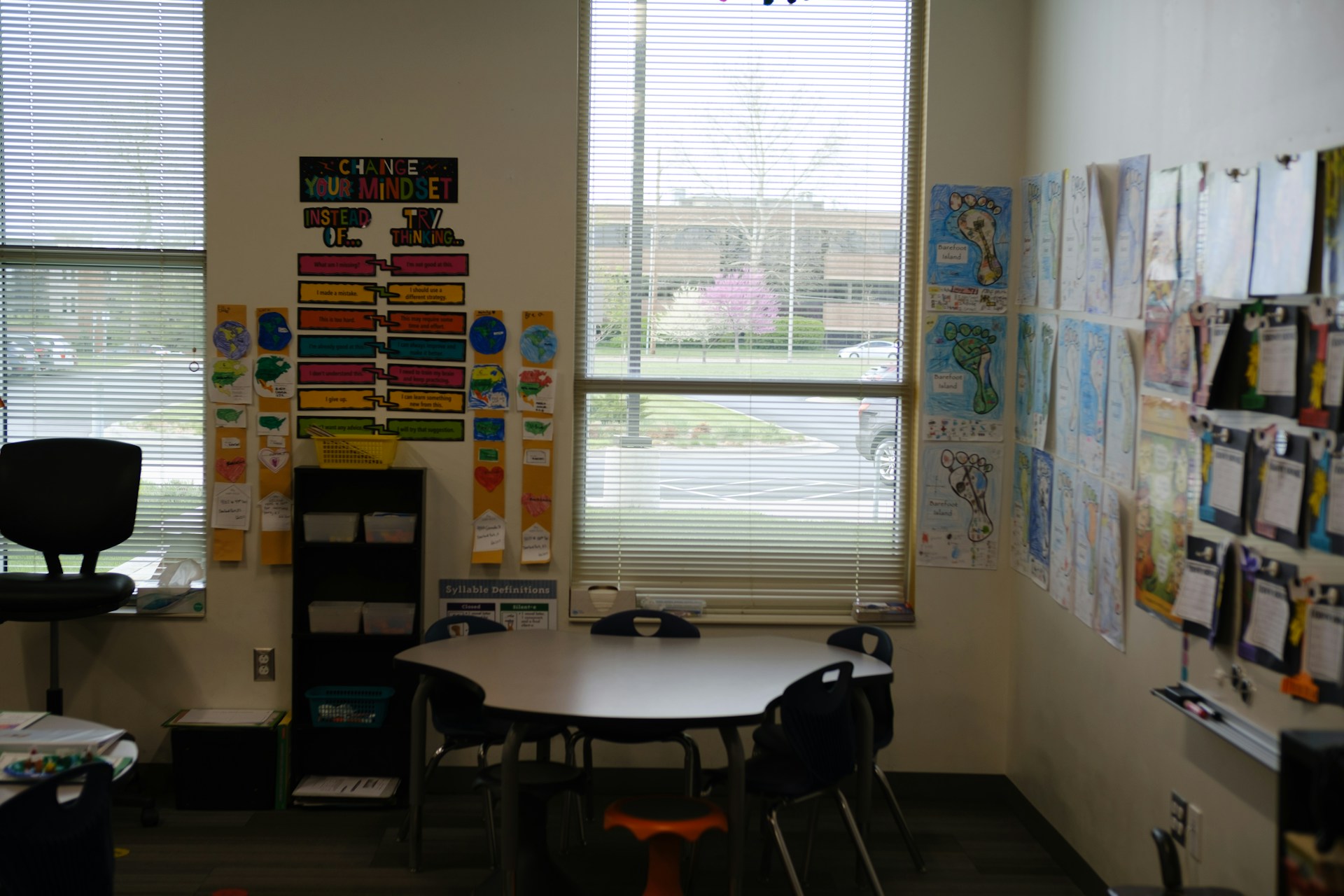
Pollen does not stay at the front gate. It is carried through entrance mats, shoes, school bags, classroom doors and open windows, then settles on nearby floors and horizontal surfaces. Areas beside sports fields, gardens, car parks and drop-off zones often need closer review because they may receive more outdoor debris.
High-traffic zones generally require more frequent cleaning than rooms used less often. We look closely at playground-facing corridors, carpeted classrooms, busy entrances and shared areas where students gather between lessons.
Settled pollen and dust may be found on hard floors, carpet, window ledges, desks, shelving, blinds and upholstered seating. Uncontrolled dry dusting can disturb settled particles, so the site plan should specify controlled removal methods, including properly maintained vacuum equipment and damp-wipe processes where appropriate.
During site walkthroughs, we recommend recording local exposure points in the primary school cleaning schedule. This gives cleaning teams clear, repeatable instructions instead of relying on individual judgement from shift to shift.
How Should Primary School Cleaning Change In Spring?
Spring adjustments do not need to disrupt the school day. Cleaning supervisors can increase attention to entry mats, corridors, classroom floors, shared tables, window ledges and frequently used amenities while coordinating access around teaching and student movement.
Task order matters. Our teams remove soil from entry areas before progressing into internal spaces, which helps limit the transfer of outdoor debris across cleaned floors and carpets.
Typical sequencing may include:
- Servicing entry mats and external threshold areas first
- Vacuuming carpeted teaching spaces with maintained equipment
- Damp-wiping desks, ledges and other horizontal surfaces
- Cleaning shared amenities after high-use periods
- Completing more disruptive work outside student movement times
Equipment selection and cleaning methods should be approved through the school’s cleaning specification and site risk assessment. Libraries, multipurpose halls, staff rooms and classrooms used for before and after school care need planned access times, not last-minute changes.
What WHS Controls Apply To Pollen Cleaning Tasks?
A seasonal change in task frequency does not change WHS responsibilities. We follow site-specific SWMS covering wet-floor hazards, manual handling, electrical equipment, chemical use, secure storage and safe separation between cleaning activity, students and staff.
Vacuuming, floor care and high-level cleaning can disturb dust and particles if they are not managed correctly. Cleaning equipment should be maintained in line with manufacturer requirements, while uncontrolled dry sweeping in occupied areas should be avoided under the site’s documented procedure.
Collected waste also needs controlled handling and disposal. Teams should follow the agreed process for emptying equipment and removing waste so material is not released back into internal areas.
Communication is equally important. School leadership and cleaning site managers should record damaged mats, water ingress, ventilation concerns, access restrictions and known allergy-sensitive areas through the agreed reporting process. Written reports create a clearer record than informal verbal handovers.
How Can Primary School Cleaning Verify Results?
A completed shift is not the same as a verified outcome. We use inspection records to check whether scheduled tasks were completed to the required standard and whether any areas need corrective action.
During spring inspections, supervisors can check:
- Soil build-up at entrances and along corridors
- Visible dust on desks, ledges and shelving
- Carpet appearance in busy teaching areas
- Entry mat condition and placement
- Bin presentation and cleanliness in shared spaces
Task checklists, supervisor inspections and photographs where appropriate provide evidence of the condition observed. If work is missed or incomplete, the record should show the non-conformance, the likely cause and the corrective action taken.
These inspections assess environmental condition, not student health outcomes. Documented reviews give schools an auditable way to refine cleaning performance through the term.
What Should Schools Review Before Pollen Peaks?
Before spring conditions affect daily operations, we recommend a walkthrough involving the school representative and cleaning supervisor. The review should confirm priority entry points, cleaning frequencies, access times, equipment condition, WHS documentation and inspection responsibilities.
Clear task allocation, current site records and verified inspections give school facilities teams a practical basis for managing indoor pollen accumulation. When the plan reflects how the school is actually used, cleaning activity can remain consistent throughout the spring term.
Protect Learning Spaces During Pollen Season
White Spot Group can align primary school cleaning schedules with classroom use, high-contact areas and site-specific WHS requirements. Our team works with school facilities managers to set practical scopes, inspection points and documented cleaning frequencies. To discuss your school’s spring cleaning requirements, contact us.