Spring grounds work can remove hazards before outdoor areas return to full use. For education sites, the change in weather often brings faster plant growth, wet surfaces, leaf litter and more activity across paths, courts, bus zones and play spaces.
At White Spot Group, we plan grounds maintenance services around the way a school actually operates. That means working with term dates, bell times, sports bookings, bus movements and holiday access windows so risk controls are in place before high-use areas reopen.
How Can Spring Grounds Work Remove Hazards Before Term Starts?
Spring can expose hazards that were less obvious during winter. Rain, wind and reduced outdoor use may leave behind slippery paths, damaged turf, blocked drains, fallen branches and vegetation that affects visibility.
Our grounds maintenance services start with the school’s existing records. Risk registers, site inspection reports and maintenance work orders help us identify repeat issues, while Safe Work Australia’s How to Manage Work Health and Safety Risks Code of Practice supports a practical process of finding hazards, assessing risk and applying controls.
School leaders should also check the relevant state or territory WHS framework, as local duties, reporting processes and education department requirements can differ. Planning work before term starts gives facilities teams time to isolate hazards, organise repairs and communicate any access changes to staff and contractors.
Which Ground Hazards Need Inspection After Winter?
A post-winter inspection should cover every outdoor route that students, staff, visitors and service providers use. We focus on entry paths, covered walkways, ramps, car parks, bus set-down zones, sports courts and outdoor learning areas.
Common hazards include:
- Leaf litter, moss and loose organic debris on walking surfaces
- Standing water near drains, ramps and building entries
- Uneven paving, damaged edging and exposed irrigation components
- Overgrown branches that narrow pedestrian routes or hide signs
- Failed lighting around paths, gates and parking areas
Our teams can clear accessible drainage grates, remove debris, mow overgrown edges and identify visible defects. Where paving, lighting or surface repairs fall outside the agreed grounds scope, we report the issue for the school’s maintenance register rather than attempting work that requires another trade or approval.
Each finding should be recorded with the location, hazard description, risk rating, control applied, photographs where required and escalation status. This gives school leadership and facilities teams an auditable record of what was found, what action was taken and what remains open.
How Do Trees And Shrubs Affect School WHS Controls?
Vegetation management is not only about presentation. Shrubs and tree branches around pathways, gates, car parks, bus zones, fence lines and building entries can obstruct sightlines between pedestrians and vehicles, conceal signs and limit emergency access.
Before outdoor activity increases, we recommend checking for deadwood, hanging limbs, low branches and trees affected by winter storms. Any concern should be assessed according to the tree’s condition, its location and the likely consequence if a branch fails.
Tree work needs the right level of competency for the task and site conditions. Work areas should be separated from students, staff and visitors with clear exclusion zones, particularly near drop zones, vehicle routes and building entrances.
Before work begins, schools should expect documentation that matches the task. This may include a site-specific risk assessment, work method documentation and permits where applicable. A SWMS is required only when the work meets the legal definition of high-risk construction work, not as a generic document for every pruning task.
How Can Turf, Weeds And Pests Create Safety Risks?
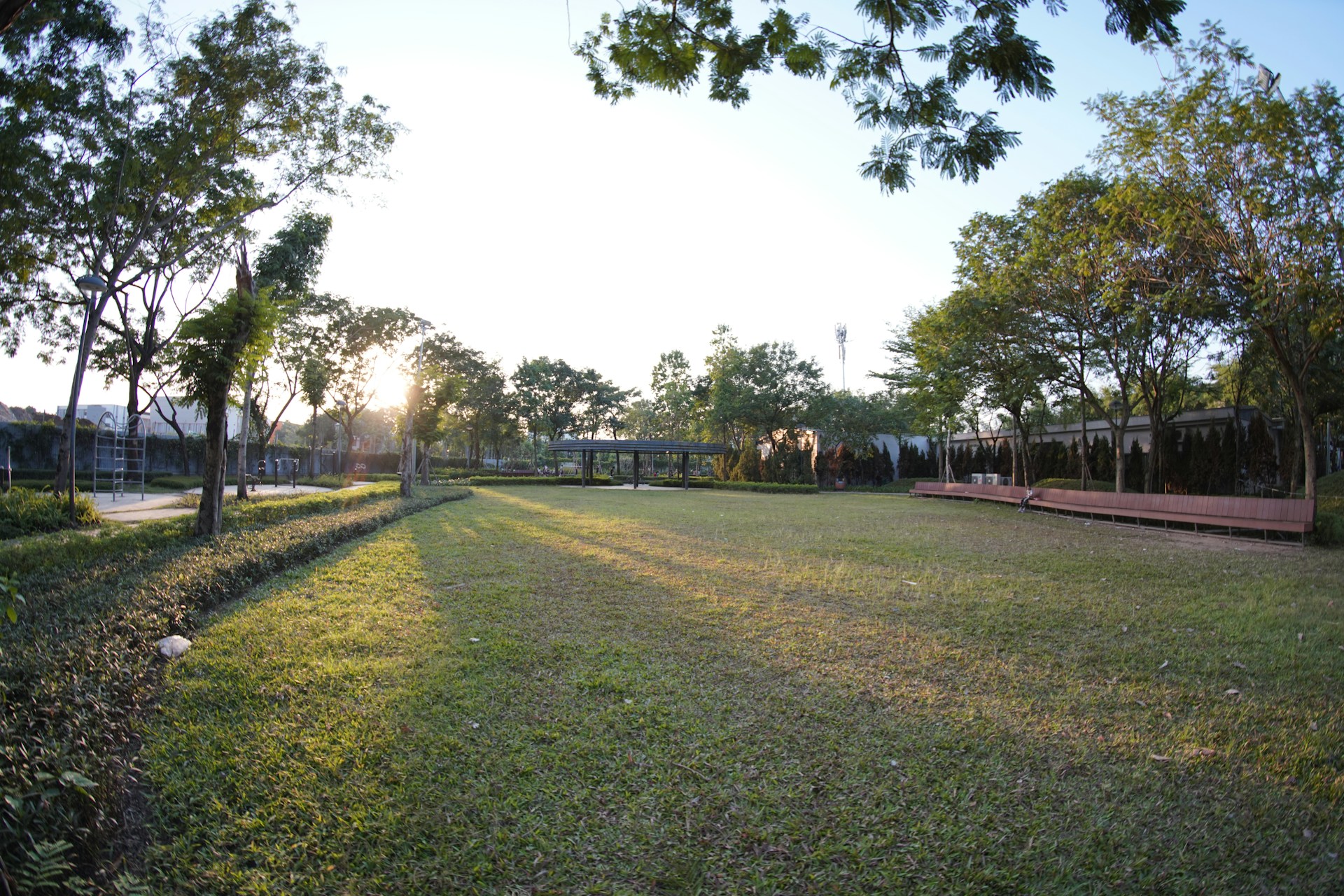
Long grass and unmanaged weeds can hide hazards across play fields, passive recreation areas, perimeter zones and outdoor education spaces. Holes, litter, irrigation heads, sharp objects and pest activity are harder to identify when vegetation has grown unchecked.
Mowing and edging schedules should account for wet ground, soil compaction, turf damage and safe access for equipment. Crews need to isolate active work areas and manage risks from flying debris, noise, mobile plant and pedestrian interaction.
During service planning, we review:
- Whether ground conditions are safe for mowing equipment
- How pedestrians will be separated from active work zones
- Where clippings and green waste will be placed or removed
- Whether turf damage or hidden surface defects need escalation
- When sports and outdoor learning areas are available for access
Where herbicides are approved for use, chemical management needs clear controls. Schools should verify product registration, follow label directions, retain application records, observe re-entry requirements and store products in line with applicable state or territory chemical rules.
Pest sightings should also be recorded and referred through the school’s approved process. Grounds teams can identify conditions that may attract pests, such as overgrowth, litter or standing water, but treatment must remain within the authorised service scope.
What Should Schools Check Around Drainage And Waste Areas?
Winter rainfall can leave drainage points carrying leaves, soil, green waste and litter. Drains, grates, ground-level gutters, swales, garden beds and waste enclosure approaches should be checked before spring rain and heavier site use create further problems.
Blocked drainage can lead to ponding, slippery surfaces and water moving across walkways. Standing water may also create conditions that require further attention, particularly where it remains near entries, play spaces or waste areas.
Within the agreed scope, we can remove leaves, green waste and litter from accessible drainage points and landscaped areas. The scope should clearly state which drains can be maintained by grounds teams, when a specialist drainage contractor is needed and how urgent blockages are escalated.
Waste areas need the same attention. Vegetation must not obstruct bin access or prevent waste collection vehicles from entering and exiting safely. Site managers should coordinate maintenance around delivery schedules, pedestrian movement and any traffic-management controls needed for contractor vehicles.
What Should Be Signed Off Before Students Return?
A documented spring grounds inspection close-out helps schools confirm what has been completed and what still needs action. We recommend listing completed tasks, unresolved hazards, temporary controls, responsible persons and target dates for follow-up work.
High-risk items should remain isolated until the responsible party confirms that the control is effective. A barrier, warning sign or restricted access notice may be appropriate as a temporary measure, but it should not replace a permanent repair where one is required.
Before peak spring growth and storm activity, schedule the next inspection cycle rather than waiting for a complaint or incident. Reviewing recurring items in the school risk register helps facilities teams plan grounds maintenance services around known trouble spots for the rest of the term.
Reduce Grounds Hazards Before They Escalate
White Spot Group provides grounds maintenance services that address vegetation, pathways, drainage and site presentation within an active school environment. Our team can align works with site access requirements, SWMS and school operating hours to minimise disruption. To discuss your maintenance scope, contact us for a site-specific plan.