.jpg)
How Can A Sydney CBD Office Stay Ready Each Morning?
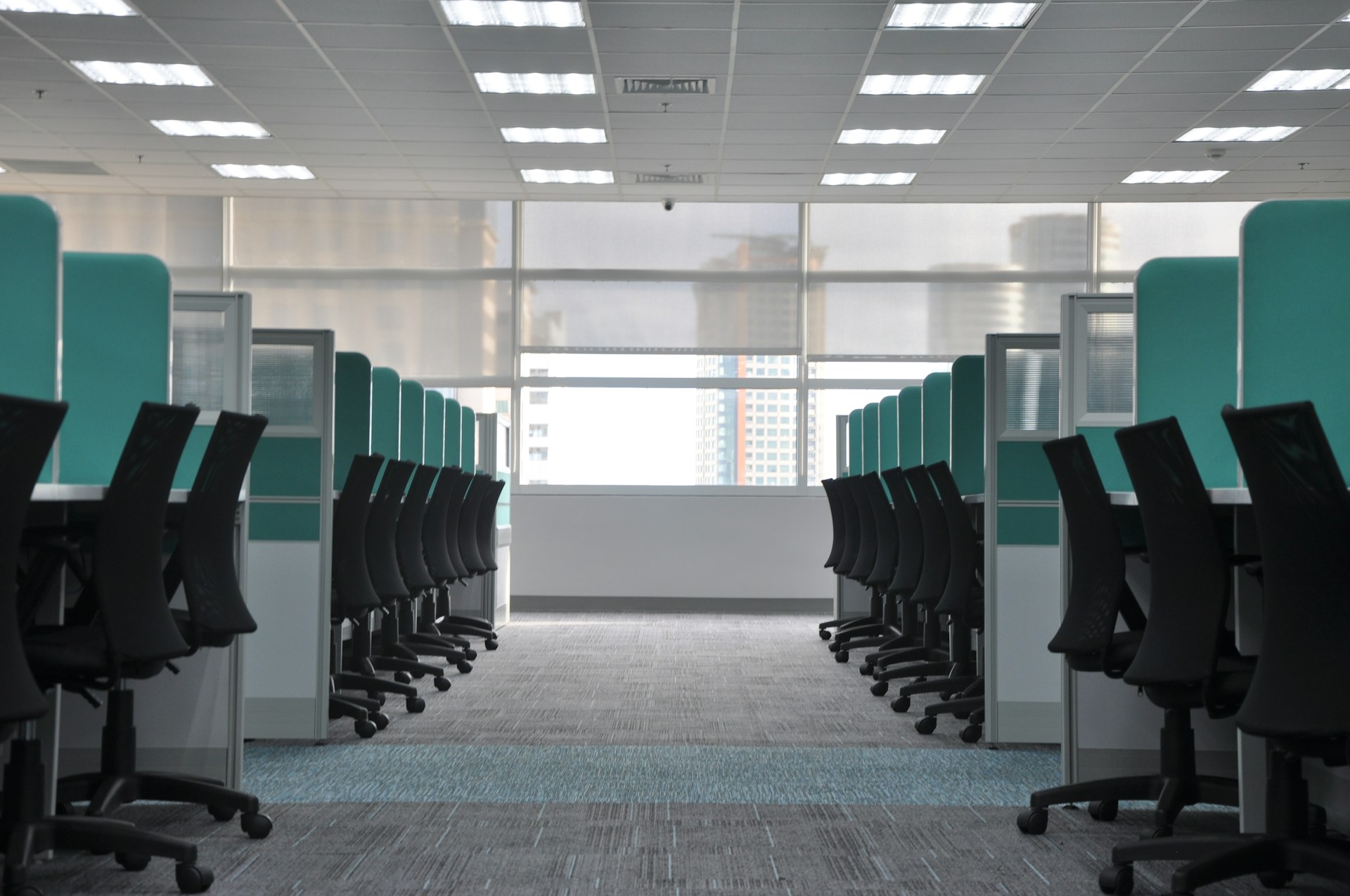
Commercial office cleaning in the Sydney CBD is an operational requirement, not a generic after-hours task. Each site has its own occupancy pattern, building access rules, shared lifts, wet-weather traffic and presentation standards for tenants, visitors and staff.
We begin by looking at how your workplace is actually used. Reception areas, meeting rooms, kitchens, workstations, end-of-trip facilities and shared amenities all need different tasks and cleaning frequencies. A quiet executive suite will not need the same service plan as a busy multi-floor tenancy with regular client meetings.
Before setting a scope, we recommend a site walk-through that identifies peak occupancy periods, building management rules, restricted zones, waste collection arrangements and the areas people notice first. That assessment gives us a practical basis for access windows, hygiene schedules, floor care, WHS controls and measurable quality checks.
When Can CBD Office Cleaning In Sydney Be Completed?
Cleaning times in the CBD depend on more than when office staff leave for the day. Base-building security, concierge procedures, loading dock bookings, lift availability, swipe-card access and tenant-only areas can all affect when work can be completed.
For Sydney CBD commercial cleaning, we coordinate service times around local building controls rather than assuming every task can happen after 5 pm. This helps protect staff productivity while giving cleaners suitable time and safe access to complete the agreed work.
A workable schedule may include:
- Early-morning presentation cleans before staff and visitors arrive
- Evening cleaning after office teams have departed
- Daytime attendant work for kitchens, amenities and shared spaces
- Rapid-response support for spills, urgent meetings or unexpected visitors
Access records matter just as much as the roster. We document site inductions, authorised personnel lists, key and swipe-card registers, visitor sign-in requirements and escalation contacts for security or building management.
Which Touchpoints And Washrooms Need Scheduled Attention?
High-contact touchpoints need a documented schedule, particularly in shared office areas. Depending on the site, this can include reception counters, door hardware, tenancy lift buttons, shared keyboards, meeting-room controls, printer panels, kitchen appliance handles and handrails.
We set frequencies based on actual use, not a standard checklist that may not suit your office. A meeting room used all day, for example, may need attention between bookings, while a low-use boardroom may sit on a different schedule.
Washroom servicing should cover fixtures, partitions, mirrors, dispensers, sanitary disposal units, floors and consumable replenishment. Headcount, public access, operating hours and observed demand should guide the frequency of inspections and cleaning.
Kitchen and breakout areas also need close attention because spills and food waste build up quickly. Our cleaning teams clean sinks, benchtops, appliance exteriors, tables, splashbacks and spill-prone floors, while reporting leaks, blocked fixtures, damaged dispensers and other defects outside the agreed repair scope.
How Should Waste, Floors And WHS Risks Be Managed?
Office waste often includes general waste, commingled recycling, paper and cardboard, secure document destruction and e-waste. We align segregation and collection procedures with your building’s waste system and any tenant sustainability requirements, so materials are handled consistently from the tenancy to the collection point.
Bin rooms and waste routes also need control. Bins should be presented at the required time, kept clear of fire exits and checked for overflow or odours before these issues affect tenant areas.
During Sydney’s winter rain, tracked water can quickly create slip risks in entry mats, hard-floor surfaces, lift foyers and reception zones. Extra checks, mat rotation, spot mopping and clear warning signage help manage changing conditions during wet weather.
Floor care should match the surface and its manufacturer requirements. We plan suitable vacuuming, spot treatment and periodic machine cleaning for carpet, vinyl, stone, tiles and timber-look finishes, using products and methods that do not damage the surface or leave a slippery residue.
Site-specific WHS controls begin with an inspection of pedestrian routes, manual-handling demands, electrical risks, chemical storage, emergency exits and areas that may need exclusion zones while cleaning is underway. Cleaners should not obstruct exits, interfere with building services or perform maintenance outside their agreed scope and competency.
What WHS Records Should Facility Managers Expect?
A cleaning program should be supported by records that show how work is controlled on site. We maintain the practical documents relevant to the work, including site induction evidence, Safety Data Sheets for cleaning chemicals, incident reporting procedures and worker competency records.
Where the cleaning activity requires it, Safe Work Method Statements should identify the task, risks and controls. These are particularly relevant when work involves powered equipment, restricted work areas or conditions that could affect office staff nearby.
Common controls should address:
- Wet-floor management and slip-risk signage
- Manual handling of waste, supplies and equipment
- Safe use and storage of powered cleaning equipment
- Secure chemical dilution, labelling and storage
- Protection of staff and visitors during daytime cleaning
Clear reporting helps facility managers identify hazards before they become service failures. If access changes, a spill occurs or an area cannot be cleaned safely, the issue should be escalated through the agreed site contact process.
What Audits And Reports Should Facility Managers Receive?
Attendance alone does not confirm that cleaning has met the agreed standard. We use site-specific quality audits to check completed work against the scope, frequencies and presentation requirements, with close attention paid to the areas that visitors and staff use most.
Useful reports give you information that can lead to action. They should record attendance, task completion, consumable usage, identified defects, service issues, corrective actions, waste observations and recurring problem areas.
When a non-conformance is found, it should be recorded, assigned and closed out within a clear timeframe. This is particularly important for washroom failures, spill risks, missed critical tasks and access issues that may affect the next service.
Regular review meetings should also consider changes to office layouts, occupancy levels, building rules, seasonal conditions and tenant expectations. Cleaning requirements can shift as a workplace changes, and the scope should be reviewed before gaps become visible.
How Can You Set A Site-Specific Cleaning Scope?
A workable scope starts with the realities of your tenancy: security access, lift use, floor finishes, waste arrangements, occupancy patterns, high-use amenities and WHS requirements. Before changing providers, expanding services or setting new frequencies, we recommend a documented assessment of those conditions.
Your scope should clearly define tasks, frequencies, access procedures, escalation contacts, defect reporting and quality measures. When reviewing commercial office cleaning services, these details help ensure the program supports daily operations rather than relying on assumptions about how your CBD workplace runs.
Build A Cleaning Program That Holds Up Daily
Our team can help align cleaning tasks, site access and quality checks with the operational needs of your workplace. Review our approach to CBD office cleaning in Sydney to see how commercial office programs are structured around measurable outcomes. To discuss your building’s requirements, contact us for a tailored scope. White Spot Group works with facilities teams to maintain consistent standards across active office environments.